
Structural Design Principles for Safe and Strong Buildings
Learn how structural design supports building safety, stability, load distribution, and long-term performance in modern construction projects.
Key Takeaways
What you'll learn from this article
- 1Introduction
- 2Understanding Structural Design
- 3Why Structural Systems Are Important
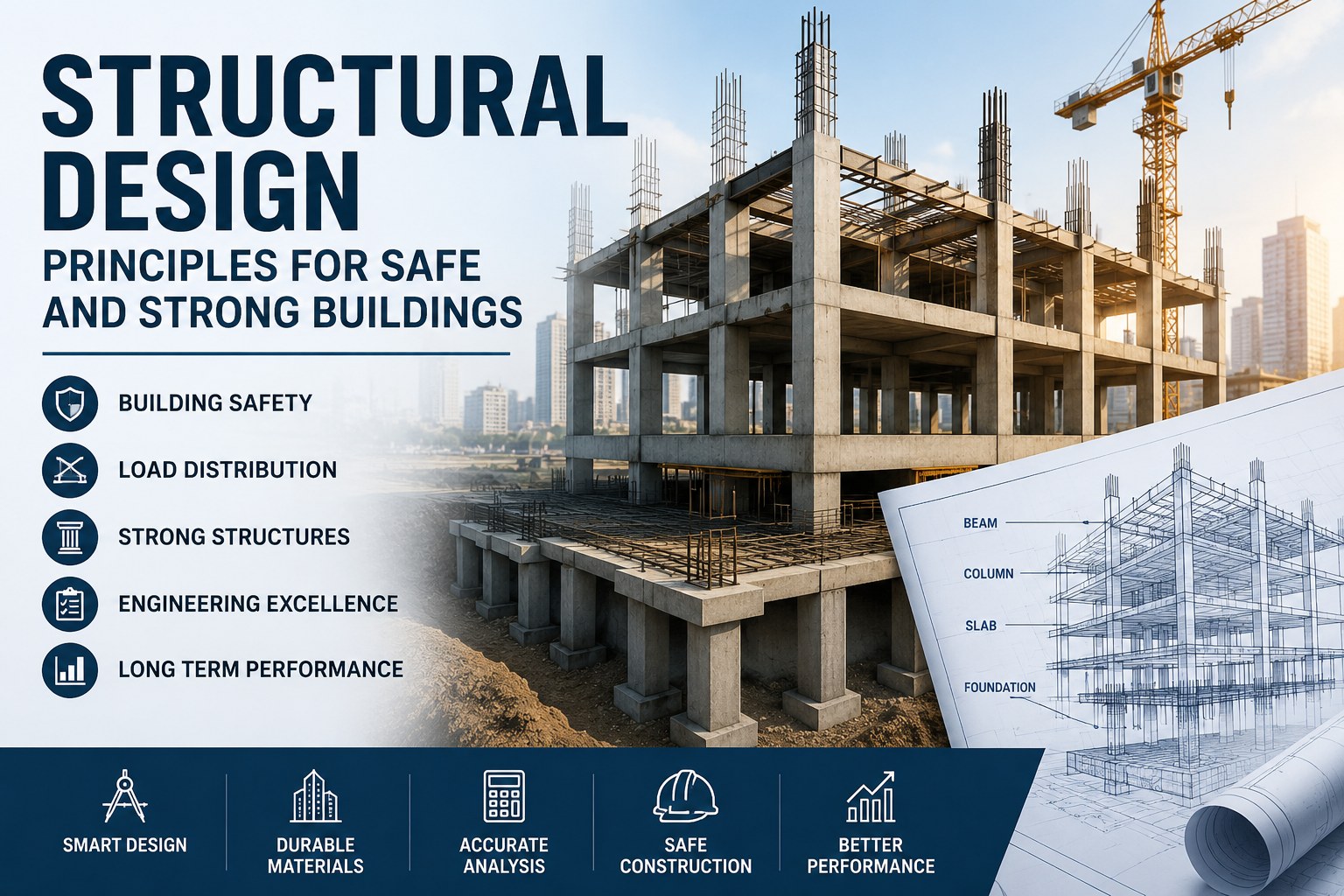
- 4Main Components of a Building Framework
- 5Foundations
- 6Columns
- 7Beams
- 8Slabs
- 9Structural Walls
- 10Common Structural Materials
- 11Concrete
- 12Steel
- 13Timber
- 14Masonry
- 15Load Considerations in Structural Design
- 16Structural Analysis and Safety
- 17Structural Design for Residential Buildings
- 18Structural Design for Commercial Buildings
- 19Future Trends in Structural Engineering
Introduction
Structural design is one of the most important aspects of modern construction. Every building, bridge, tower, and infrastructure project depends on a strong structural system to remain safe and stable throughout its life. Structural design focuses on creating frameworks that can support loads, resist environmental forces, and maintain long term durability.
A properly designed structure ensures that buildings can safely carry their own weight as well as additional loads from occupants, furniture, equipment, wind, rain, and earthquakes. Engineers carefully analyze materials, load distribution, and construction methods to create reliable and efficient structures. Whether for residential homes or large commercial developments, structural planning plays a critical role in construction success.
Understanding Structural Design
Structural design is the process of planning and analyzing a building framework to ensure safety, strength, and stability. Engineers determine how different components such as foundations, columns, beams, slabs, and walls work together to support loads.
The main goal is to create structures that perform efficiently under various conditions while meeting safety standards and building regulations. Proper structural planning helps prevent failures and ensures long term performance.
Every project requires detailed calculations and engineering analysis before construction begins. These evaluations help identify potential risks and ensure that all structural elements can handle expected loads.
Why Structural Systems Are Important
A strong framework provides the foundation for every successful construction project. Without proper engineering, buildings may experience cracks, excessive movement, or even structural failure.
Benefits of good structural planning include:
Improved safety
Better load distribution
Increased durability
Reduced maintenance costs
Enhanced building performance
Longer service life
Well designed systems also improve construction efficiency and help optimize material usage.
Main Components of a Building Framework
Several key elements work together to create a complete structural system.
Foundations
Foundations transfer building loads safely into the ground. They provide stability and prevent settlement problems. Different foundation types are selected based on soil conditions and project requirements.
Columns
Columns are vertical members that carry loads from upper levels and transfer them to the foundation. They are essential for supporting multi storey buildings.
Beams
Beams are horizontal members that transfer loads from slabs and walls to columns. They help distribute weight evenly throughout the structure.
Slabs
Slabs form floors and roofs within a building. They provide usable surfaces while transferring loads to supporting beams and columns.
Structural Walls
Structural walls provide additional support and help resist lateral forces caused by wind and earthquakes.
Common Structural Materials
Material selection plays an important role in engineering design. Different materials offer unique advantages depending on project requirements.
Concrete
Concrete is widely used because of its strength, durability, and versatility. Reinforced concrete combines concrete with steel reinforcement for improved performance.
Steel
Steel provides excellent strength and flexibility. It is commonly used in commercial buildings, industrial facilities, and high rise structures.
Timber
Timber is a sustainable construction material often used in residential and low rise projects. Modern engineered wood products offer improved strength and stability.
Masonry
Brick and block masonry provide structural support while also contributing to building appearance and insulation.
Load Considerations in Structural Design
Every structure must be designed to handle different types of loads.
Dead Loads
Dead loads include the weight of permanent building components such as walls, floors, roofs, and structural members.
Live Loads
Live loads include people, furniture, equipment, and other movable items that occupy a building.
Wind Loads
Wind forces can create pressure on building surfaces. Engineers design structures to resist these forces safely.
Seismic Loads
Earthquake forces can significantly impact building performance. Proper engineering helps improve resistance and reduce damage during seismic events.
Structural Analysis and Safety
Structural analysis helps engineers understand how buildings respond to different loads and environmental conditions. Modern software tools allow detailed simulations that improve design accuracy.
Safety remains the primary objective of every project. Engineers follow established codes and standards to ensure that structures meet required performance levels. Careful analysis reduces risk and helps prevent failures.
Structural Design for Residential Buildings
Residential projects require efficient frameworks that provide safety and comfort while remaining cost effective. Homes commonly use reinforced concrete, masonry, timber, or steel systems depending on local construction practices.
Proper planning ensures that houses remain stable while accommodating future maintenance and modifications.
Structural Design for Commercial Buildings
Commercial developments often involve larger spans, heavier loads, and more complex requirements. Offices, shopping centres, hotels, hospitals, and industrial facilities require advanced engineering solutions.
These projects often use reinforced concrete and steel systems to achieve greater strength and flexibility while maintaining safety and efficiency.
Future Trends in Structural Engineering
Technology continues to improve structural planning and construction methods. Engineers now use advanced modelling software, building information modelling, and automated analysis tools to improve design accuracy.
Sustainable construction materials are becoming increasingly popular. Modern projects focus on reducing environmental impact while maintaining structural performance.
Innovations such as smart monitoring systems and prefabricated structural components are helping improve efficiency, safety, and long term maintenance.
Key takeaways from this article
Structural design is the foundation of safe and durable construction. By carefully planning foundations, columns, beams, slabs, and load-bearing systems, engineers create buildings that remain stable and reliable for many years.
Frequently Asked Questions
What is structural design?
Structural design is the process of planning and analyzing building frameworks to ensure safety, stability, and strength.
Why is structural engineering important?
It ensures buildings can safely support loads and resist environmental forces such as wind and earthquakes.
What are the main structural components of a building?
Foundations, columns, beams, slabs, and structural walls are the primary components.
Which materials are commonly used in structural construction?
Concrete, steel, timber, and masonry are widely used structural materials.
How does structural analysis improve safety?
It helps engineers evaluate load performance and identify potential risks before construction begins.
Structural Engineering Research Team with expertise in structural design, construction engineering, building safety, load analysis, and infrastructure development.
Get expert CAD insights weekly
Join thousands of architects and designers receiving curated tutorials, files, and industry tips.
Browse all articlesMore expert insights
Continue your learning journey with related articles
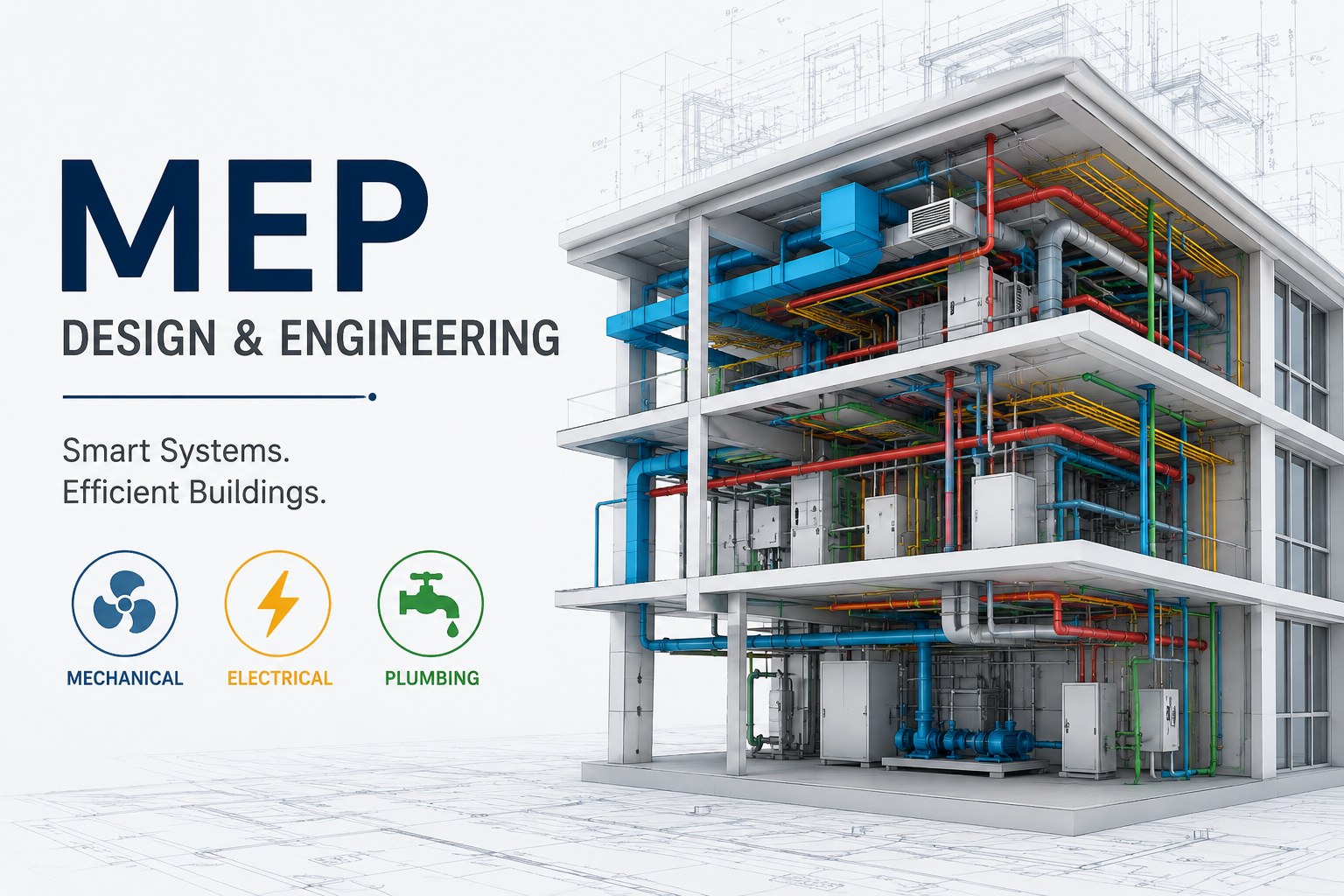
MEP Guide for Building Design and Construction
Learn about MEP systems, building services, HVAC, electrical and plumbing design, coordination, documentation, and construction workflows.
Read more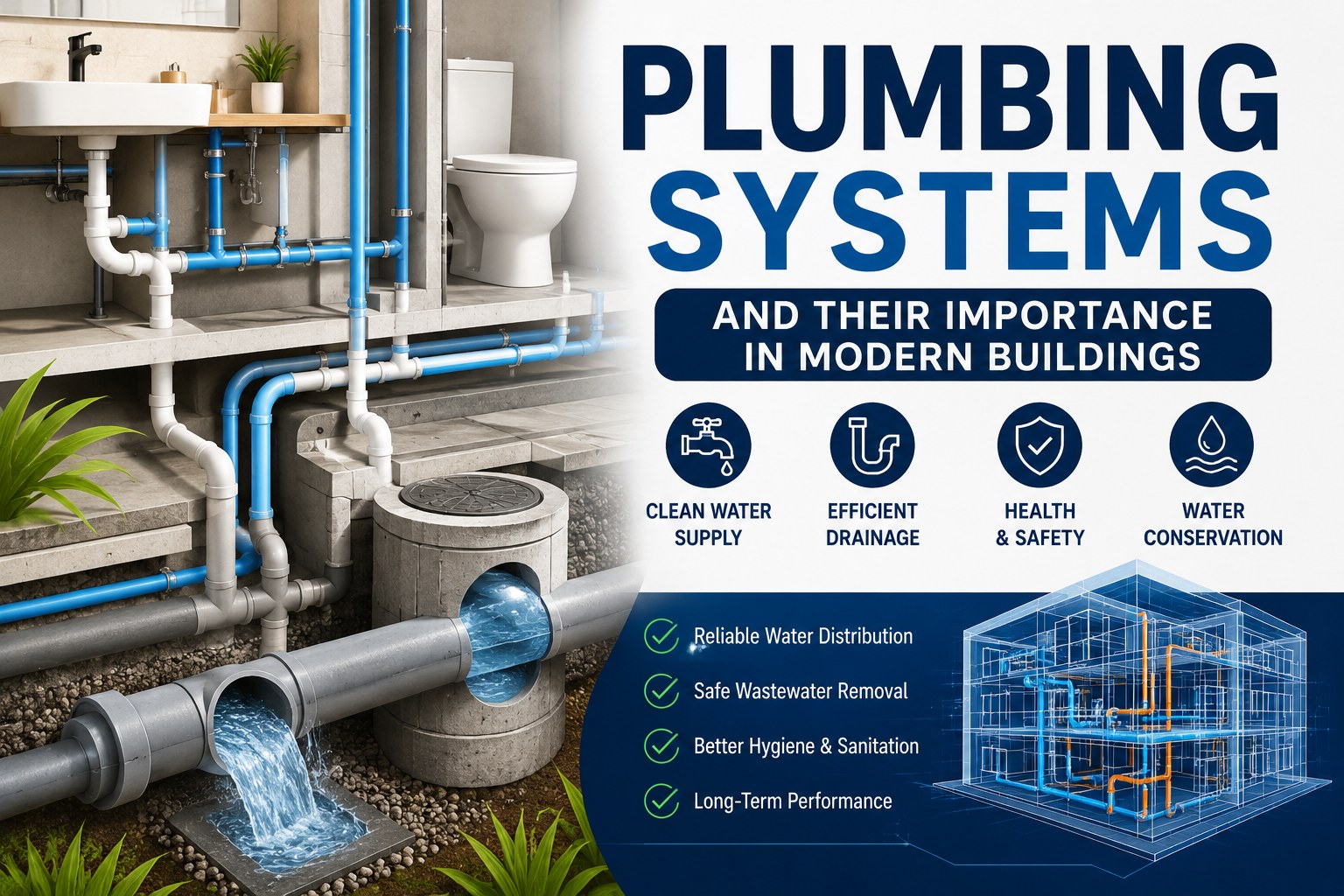
Plumbing Systems and Their Importance in Modern Buildings
Learn how plumbing systems support water supply, drainage, sanitation, and building functionality in residential and commercial properties.
Read more
Landscape Design Ideas for Better Outdoor Spaces
Discover simple landscape design ideas that improve outdoor spaces, increase property appeal, and create a comfortable environment for daily use.
Read more