
Landscape Design Ideas for Better Outdoor Spaces
Discover simple landscape design ideas that improve outdoor spaces, increase property appeal, and create a comfortable environment for daily use.
Key Takeaways
What you'll learn from this article
- 1IntroductionLandscape Design Ideas for Better Outdoor Spaces
- 2Why Landscape Design Is Important
- 3Key Elements of Landscape Design
- 4Popular Landscape Design Styles
- 5Planning a Successful Landscape Project
- 6Sustainable Landscape Practices
- 7Landscape Design for Residential Properties
- 8Landscape Design for Commercial Spaces
- 9Future Trends in Landscape Design
IntroductionLandscape Design Ideas for Better Outdoor Spaces
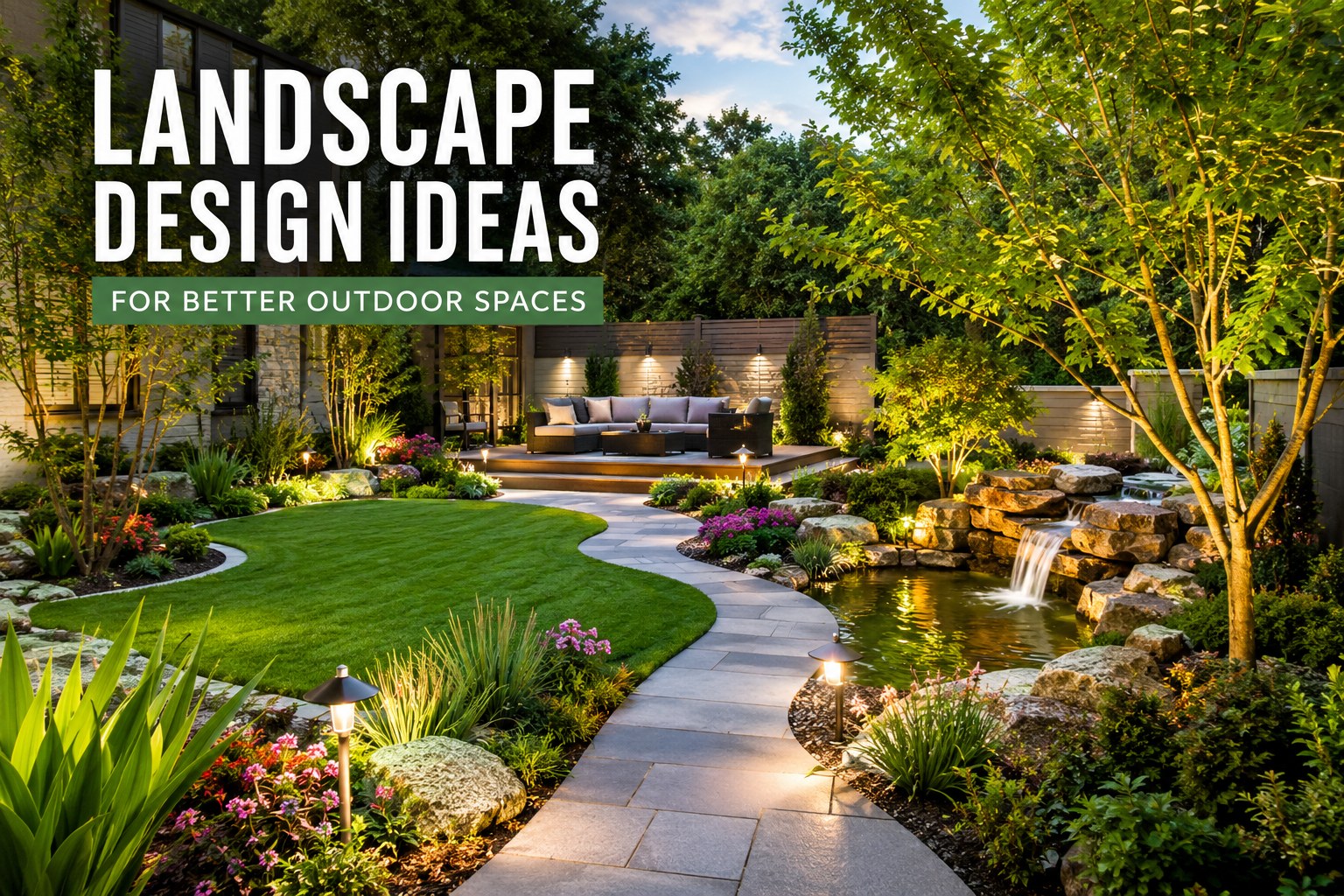
Landscape design plays an important role in creating attractive and functional outdoor environments. A well planned landscape improves the appearance of a property while making outdoor areas more useful and comfortable. From residential gardens to public parks, landscape design helps balance natural elements with human needs.
Good landscape planning considers factors such as plant selection, pathways, seating areas, lighting, drainage, and open space management. These elements work together to create outdoor spaces that are both beautiful and practical.
Why Landscape Design Is Important
Landscape design offers many benefits beyond visual appeal. A carefully designed outdoor area can increase property value, improve environmental quality, and create spaces for relaxation and recreation.
Benefits of landscape design include:
Better outdoor appearance
Improved property value
Enhanced environmental sustainability
Comfortable outdoor living areas
Better drainage and water management
Increased green space for communities
Proper planning ensures that every part of the landscape serves a purpose while maintaining a natural and attractive look.
Key Elements of Landscape Design
Successful landscape projects combine several important design elements. These components help create balanced and organized outdoor environments.
Plant Selection
Choosing the right plants is essential for long term success. Native plants often require less maintenance and adapt better to local climate conditions.
Pathways and Walkways
Paths guide movement throughout the landscape. They connect different areas while improving accessibility and organization.
Lawn and Open Areas
Open spaces provide flexibility for recreation, gatherings, and visual balance within the overall design.
Lighting
Outdoor lighting improves safety and highlights important landscape features during evening hours.
Water Features
Ponds, fountains, and decorative water elements can create a relaxing atmosphere and improve the visual appeal of outdoor spaces.
Popular Landscape Design Styles
Different landscape styles suit different preferences and property types.
Modern Landscape Design
Modern landscapes use clean lines, simple plant arrangements, and minimal decoration. This style focuses on functionality and organized layouts.
Natural Landscape Design
Natural landscapes aim to blend with the surrounding environment. Native plants, natural stone, and organic shapes are commonly used.
Formal Landscape Design
Formal designs feature symmetrical layouts, structured planting patterns, and carefully maintained gardens.
Tropical Landscape Design
Tropical landscapes use lush vegetation, colorful plants, and rich textures to create vibrant outdoor environments.
Planning a Successful Landscape Project
Every successful landscape project begins with proper planning. Designers evaluate the site, climate, soil conditions, and user requirements before creating a design concept.
Important planning steps include:
Site analysis
Budget planning
Plant selection
Drainage assessment
Material selection
Maintenance planning
Careful planning helps avoid costly changes and ensures long term success.
Sustainable Landscape Practices
Sustainability has become a major focus in modern landscape design. Environmentally friendly practices reduce resource consumption and support local ecosystems.
Common sustainable landscape techniques include:
Using native plants
Installing efficient irrigation systems
Collecting rainwater
Reducing chemical usage
Improving soil quality
Creating wildlife friendly habitats
These practices help maintain healthy outdoor environments while reducing maintenance costs.
Landscape Design for Residential Properties
Homeowners often use landscape design to improve curb appeal and create enjoyable outdoor living areas. Residential landscapes may include gardens, patios, seating zones, play areas, and decorative features.
A well designed residential landscape provides both beauty and functionality while supporting everyday activities.
Landscape Design for Commercial Spaces
Commercial landscape projects focus on creating welcoming environments for visitors, customers, and employees. Offices, hotels, shopping centres, and public facilities benefit from professional landscape planning.
Good commercial landscapes improve the overall experience while enhancing the appearance of the property.
Future Trends in Landscape Design
Landscape design continues to evolve as technology and sustainability become more important. Future projects are expected to include smart irrigation systems, eco friendly materials, and climate resilient plant selections.
Designers are also creating more outdoor spaces that support health, wellness, and environmental responsibility.
Key takeaways from this article
Landscape design is a valuable part of creating attractive and functional outdoor spaces. Through proper planning and thoughtful plant selection.
Frequently Asked Questions
What is landscape design?
Landscape design is the process of planning and arranging outdoor spaces using plants, pathways, structures, and natural features.
Why is landscape design important?
Landscape design improves appearance, functionality, property value, and environmental quality.
What are the main elements of landscape design?
Key elements include plants, pathways, lighting, open spaces, water features, and outdoor structures.
How does sustainable landscape design help the environment?
It reduces water use, supports local ecosystems, improves soil health, and lowers maintenance requirements.
Can landscape design increase property value?
Yes, a well-designed landscape can significantly improve curb appeal and increase property value.
Landscape Design Research Team with expertise in outdoor planning, sustainable landscaping, garden design, and property development.
Get expert CAD insights weekly
Join thousands of architects and designers receiving curated tutorials, files, and industry tips.
Browse all articlesMore expert insights
Continue your learning journey with related articles
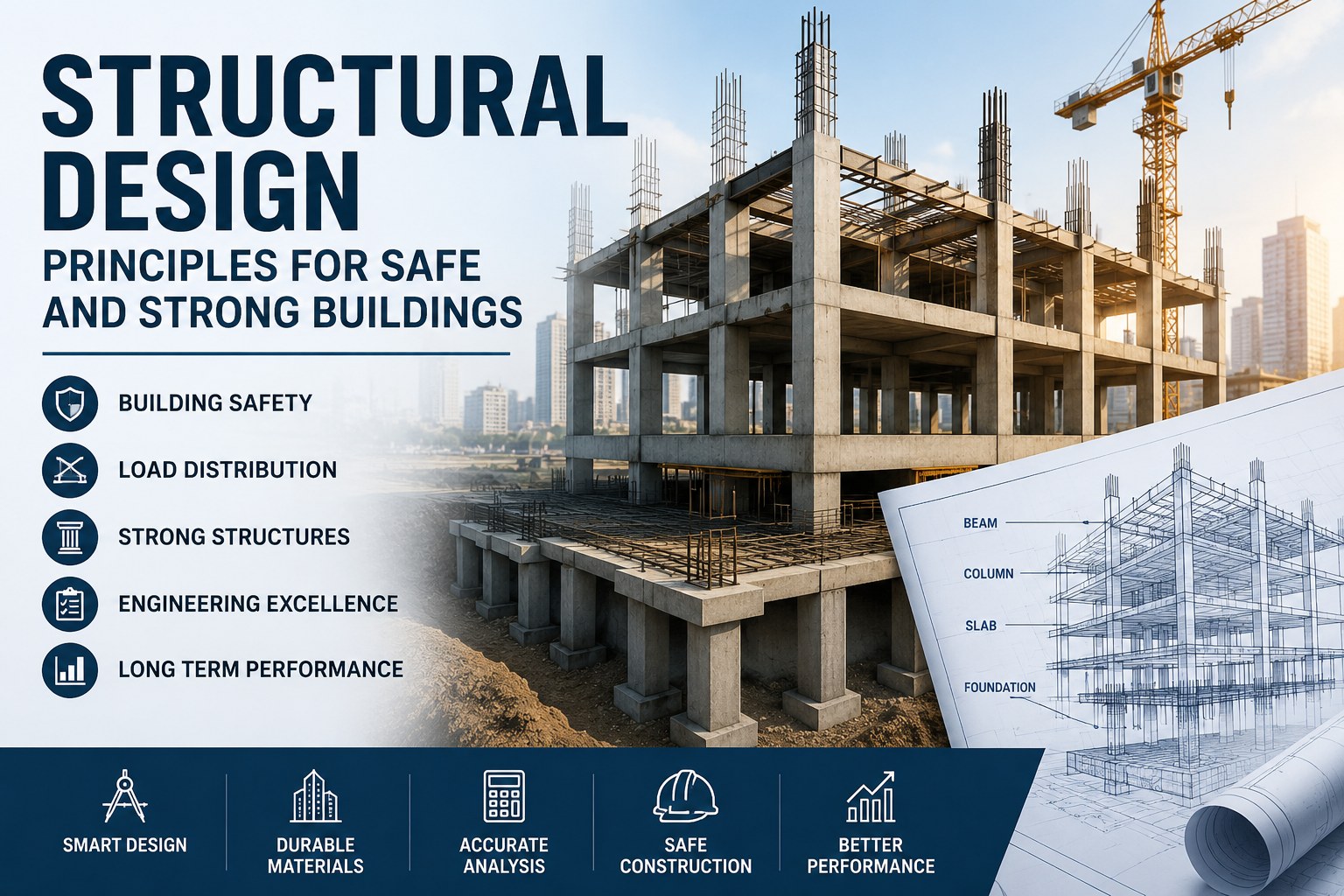
Structural Design Principles for Safe and Strong Buildings
Learn how structural design supports building safety, stability, load distribution, and long-term performance in modern construction projects.
Read more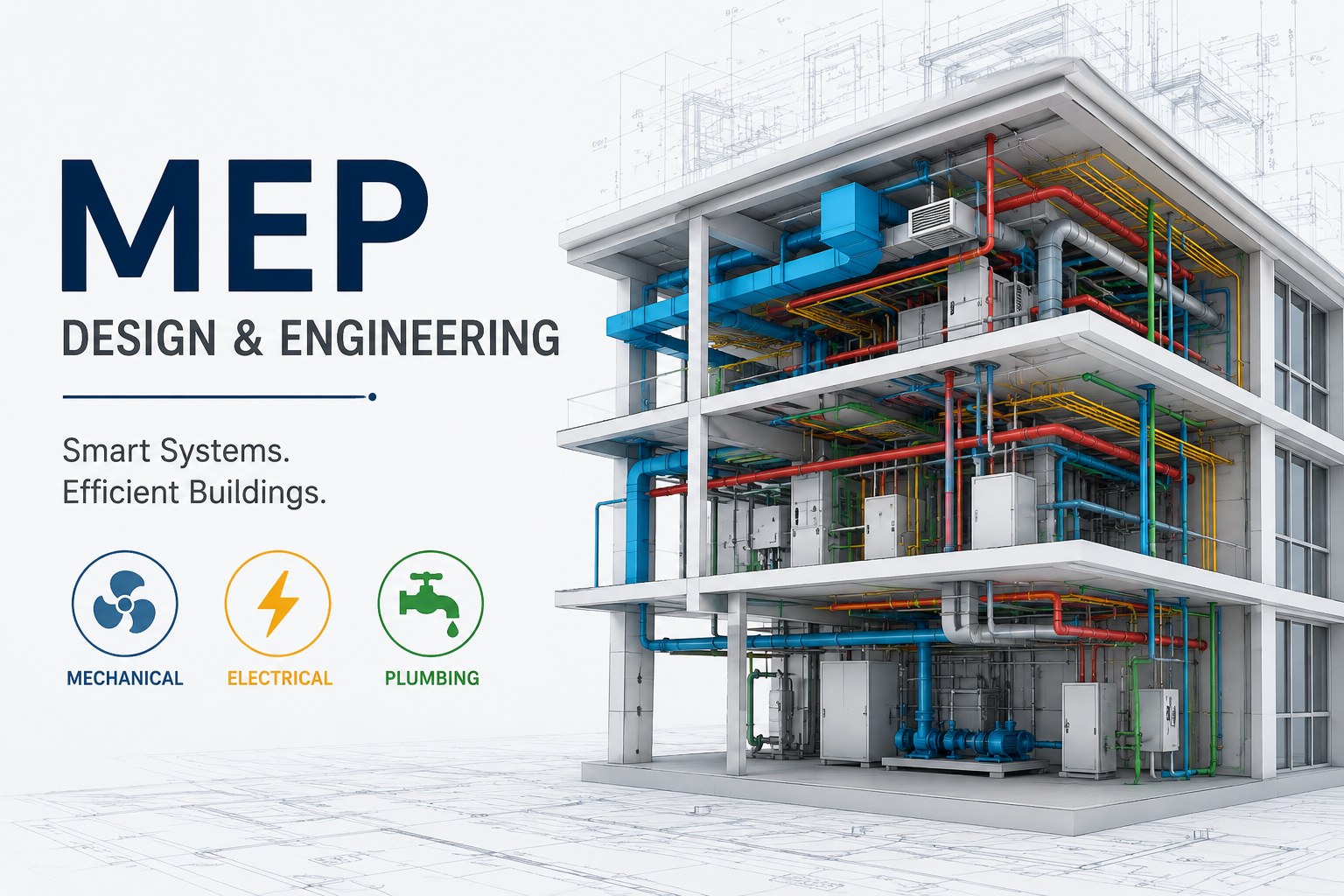
MEP Guide for Building Design and Construction
Learn about MEP systems, building services, HVAC, electrical and plumbing design, coordination, documentation, and construction workflows.
Read more
Plumbing Systems and Their Importance in Modern Buildings
Learn how plumbing systems support water supply, drainage, sanitation, and building functionality in residential and commercial properties.
Read more