
Plumbing Systems and Their Importance in Modern Buildings
Learn how plumbing systems support water supply, drainage, sanitation, and building functionality in residential and commercial properties.
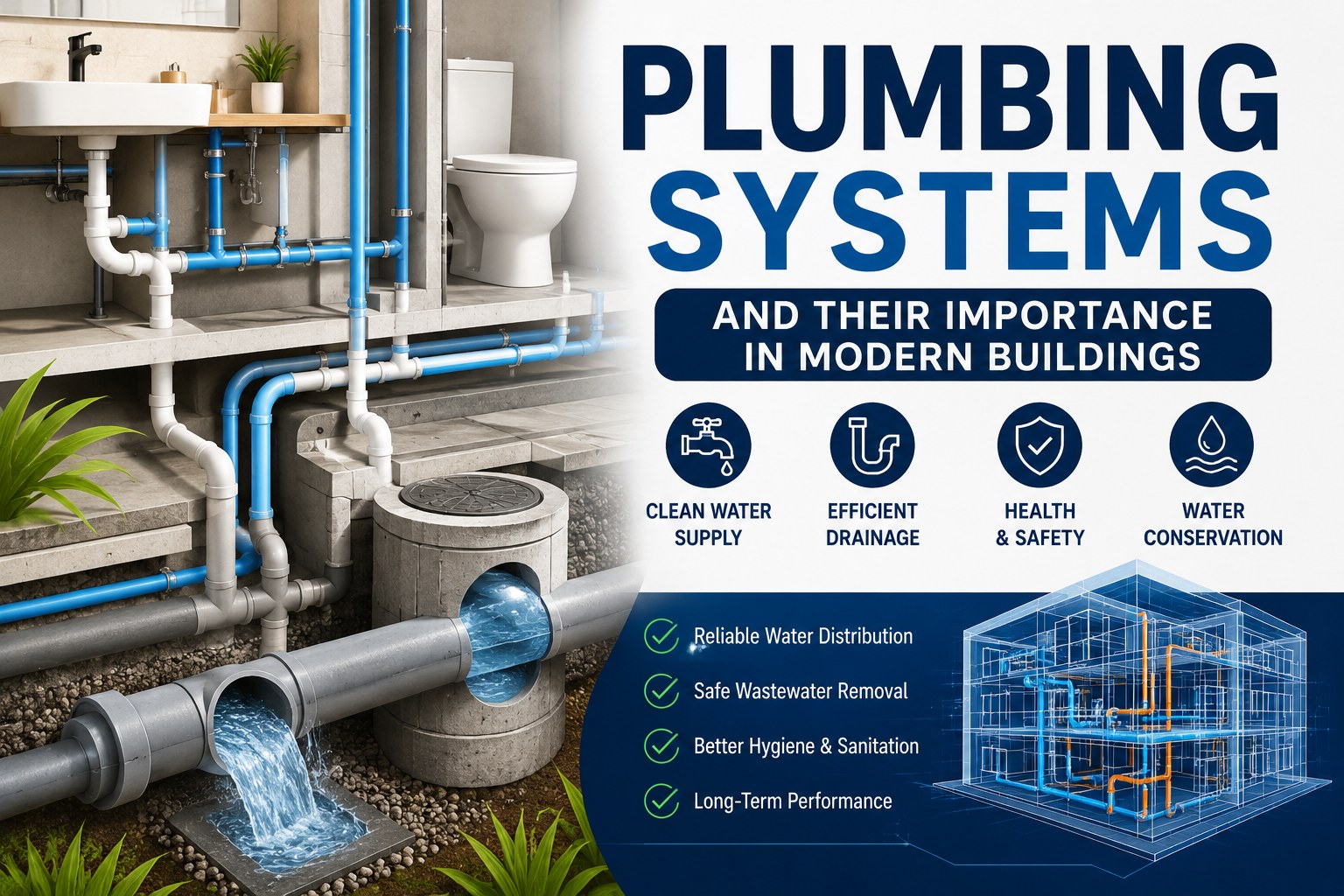
Key Takeaways
What you'll learn from this article
- 1Introduction
- 2Understanding Plumbing Systems
- 3Why Plumbing Is Important
- 4Main Components of a Plumbing System
- 5Water Supply Pipes
- 6Drainage Pipes
- 7Plumbing Fixtures
- 8Valves and Controls
- 9Vent Pipes
- 10Residential Plumbing Systems
- 11Commercial Plumbing Systems
- 12Common Plumbing Problems
- 13Plumbing Maintenance Tips
- 14Water Conservation in Plumbing
- 15Future Trends in Plumbing
Introduction
Plumbing is one of the most important systems in any building. It provides clean water for daily activities and safely removes wastewater from homes, offices, hospitals, schools, and commercial facilities. Without a properly designed plumbing system, modern buildings would not be able to function efficiently.
A good plumbing system ensures reliable water distribution, proper drainage, and improved sanitation. It supports essential activities such as cooking, cleaning, bathing, and waste disposal. Modern plumbing design focuses on efficiency, safety, water conservation, and long term performance. Whether for residential or commercial buildings, proper planning and maintenance are essential for a successful plumbing system.
Understanding Plumbing Systems
A plumbing system consists of pipes, fittings, valves, fixtures, pumps, and drainage components that work together to transport water throughout a building. These systems are carefully designed to ensure that clean water reaches users while wastewater is safely removed.
Most buildings have two main plumbing networks. The first supplies fresh water to fixtures such as sinks, showers, toilets, and appliances. The second carries wastewater away through drainage pipes and sewer connections.
Proper installation and regular maintenance help ensure that these systems operate efficiently and safely for many years.
Why Plumbing Is Important
Plumbing plays a vital role in maintaining health, hygiene, and comfort. Access to clean water and effective drainage helps prevent water contamination and supports a healthy living environment.
Well designed systems also improve convenience by providing water where it is needed. Modern plumbing supports kitchens, bathrooms, laundry areas, irrigation systems, and industrial operations.
Additional benefits include:
Improved sanitation
Reliable water distribution
Safe wastewater removal
Better hygiene standards
Increased property value
Enhanced building functionality
Main Components of a Plumbing System
Every plumbing installation includes several important components that work together to ensure smooth operation.
Water Supply Pipes
Water supply pipes transport clean water from the municipal network or water storage tanks to different fixtures within the building. Materials commonly used include copper, PVC, CPVC, and PEX piping.
Drainage Pipes
Drainage pipes remove wastewater from sinks, showers, toilets, and appliances. Proper pipe sizing and slope are essential for efficient drainage.
Plumbing Fixtures
Fixtures are the points where users access water. Common fixtures include faucets, sinks, showers, bathtubs, toilets, and kitchen equipment.
Valves and Controls
Valves regulate water flow and allow maintenance work to be performed without shutting down the entire system.
Vent Pipes
Vent pipes help maintain proper air pressure within the drainage network. They prevent unpleasant odours and ensure smooth wastewater flow.
Residential Plumbing Systems
Residential plumbing focuses on providing reliable water services for homes and apartments. These systems support daily household activities while maintaining comfort and convenience.
Typical residential installations include:
Kitchen plumbing
Bathroom plumbing
Water heaters
Laundry connections
Outdoor water systems
Drainage networks
Modern homes often include water saving fixtures that reduce water consumption without affecting performance.
Commercial Plumbing Systems
Commercial buildings require larger and more complex plumbing networks than residential properties. Offices, hotels, hospitals, shopping centres, and educational facilities must support a greater number of users.
Commercial systems often include:
Large water distribution networks
High capacity drainage systems
Fire protection connections
Water storage tanks
Pumping systems
Specialized plumbing equipment
Proper design helps ensure reliable performance under heavy usage conditions.
Common Plumbing Problems
Even well maintained systems can experience problems over time. Identifying issues early helps prevent costly repairs and property damage.
Common problems include:
Leaking pipes
Blocked drains
Low water pressure
Running toilets
Pipe corrosion
Water heater failures
Regular inspections can help detect these issues before they become serious.
Plumbing Maintenance Tips
Routine maintenance is essential for keeping systems in good condition. Proper care improves efficiency and extends equipment life.
Recommended maintenance practices include:
Checking for leaks regularly
Cleaning drainage systems
Inspecting valves and fittings
Monitoring water pressure
Servicing water heaters
Replacing damaged components
Preventive maintenance reduces repair costs and improves system reliability.
Water Conservation in Plumbing
Water conservation has become an important part of modern building design. Efficient plumbing systems help reduce water waste while lowering utility costs.
Popular water saving solutions include:
Low flow faucets
Dual flush toilets
Water efficient showerheads
Smart leak detection systems
Rainwater harvesting systems
These technologies support sustainability while maintaining user comfort.
Future Trends in Plumbing
The plumbing industry continues to evolve with new technologies and sustainable solutions. Smart plumbing systems are becoming increasingly popular in residential and commercial buildings.
Emerging trends include:
Smart water monitoring
Leak detection sensors
Touchless fixtures
Water recycling systems
Energy efficient water heating
Sustainable pipe materials
These innovations help improve efficiency, reduce waste, and support environmental goals.
Key takeaways from this article
Plumbing is an essential part of modern buildings and infrastructure. It provides clean water, supports sanitation, and ensures safe wastewater removal.
Frequently Asked Questions
What is plumbing?
Plumbing is a system of pipes, fixtures, valves, and fittings used to distribute water and remove wastewater in buildings.
Why is plumbing important in buildings?
It provides clean water, supports sanitation, and ensures safe wastewater disposal.
What are the main parts of a plumbing system?
Water supply pipes, drainage pipes, fixtures, valves, and vent pipes are the primary components.
How can plumbing systems save water?
Water-efficient fixtures, leak detection systems, and smart monitoring technologies help reduce water consumption.
How often should plumbing systems be inspected?
Most plumbing systems should be inspected at least once a year to identify leaks, blockages, and maintenance needs.
Building Services Research Team with expertise in plumbing systems, MEP engineering, water management, and construction technology.
Get expert CAD insights weekly
Join thousands of architects and designers receiving curated tutorials, files, and industry tips.
Browse all articlesMore expert insights
Continue your learning journey with related articles
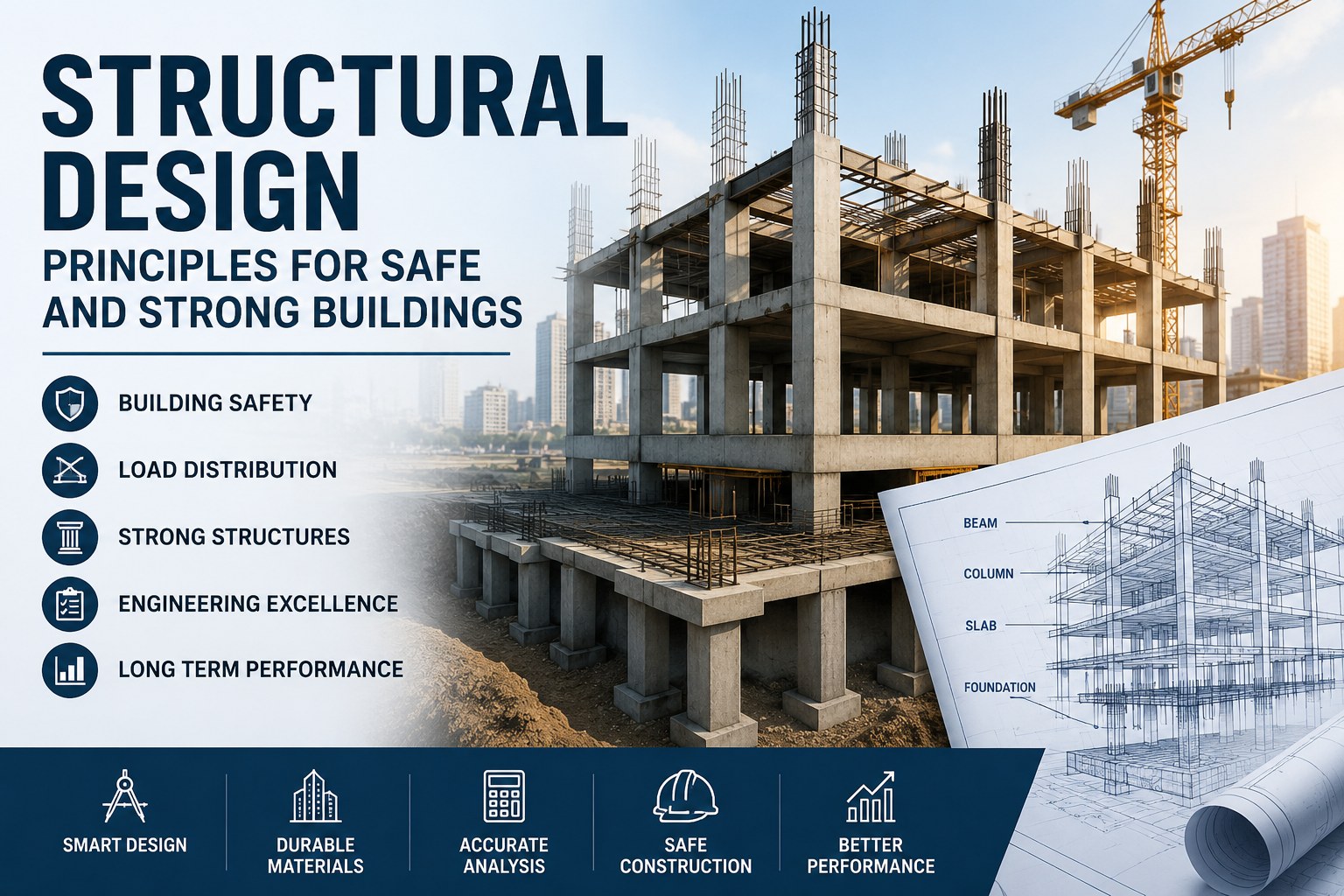
Structural Design Principles for Safe and Strong Buildings
Learn how structural design supports building safety, stability, load distribution, and long-term performance in modern construction projects.
Read more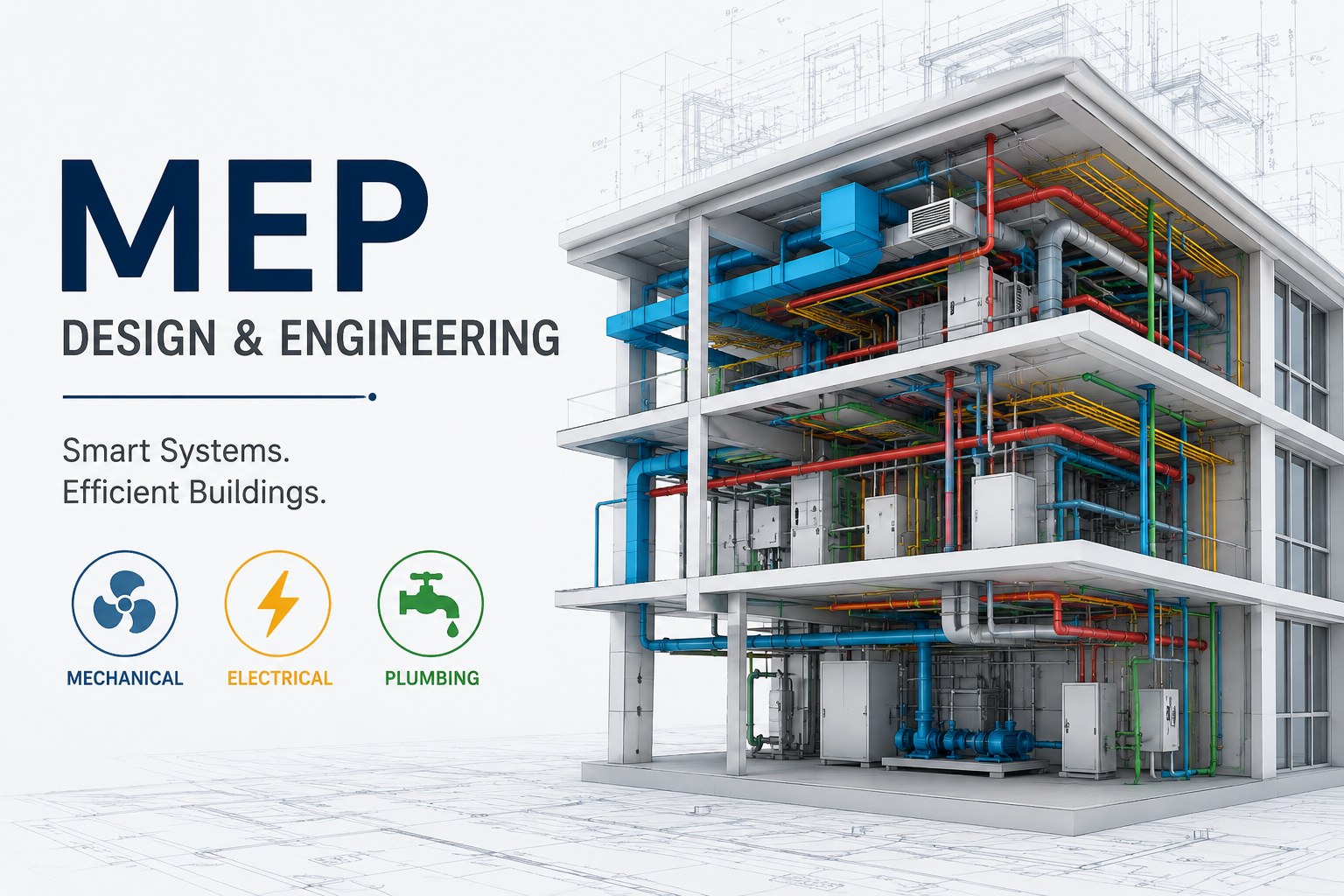
MEP Guide for Building Design and Construction
Learn about MEP systems, building services, HVAC, electrical and plumbing design, coordination, documentation, and construction workflows.
Read more
Landscape Design Ideas for Better Outdoor Spaces
Discover simple landscape design ideas that improve outdoor spaces, increase property appeal, and create a comfortable environment for daily use.
Read more