
MEP Guide for Building Design and Construction
Learn about MEP systems, building services, HVAC, electrical and plumbing design, coordination, documentation, and construction workflows.
Key Takeaways
What you'll learn from this article
Introduction
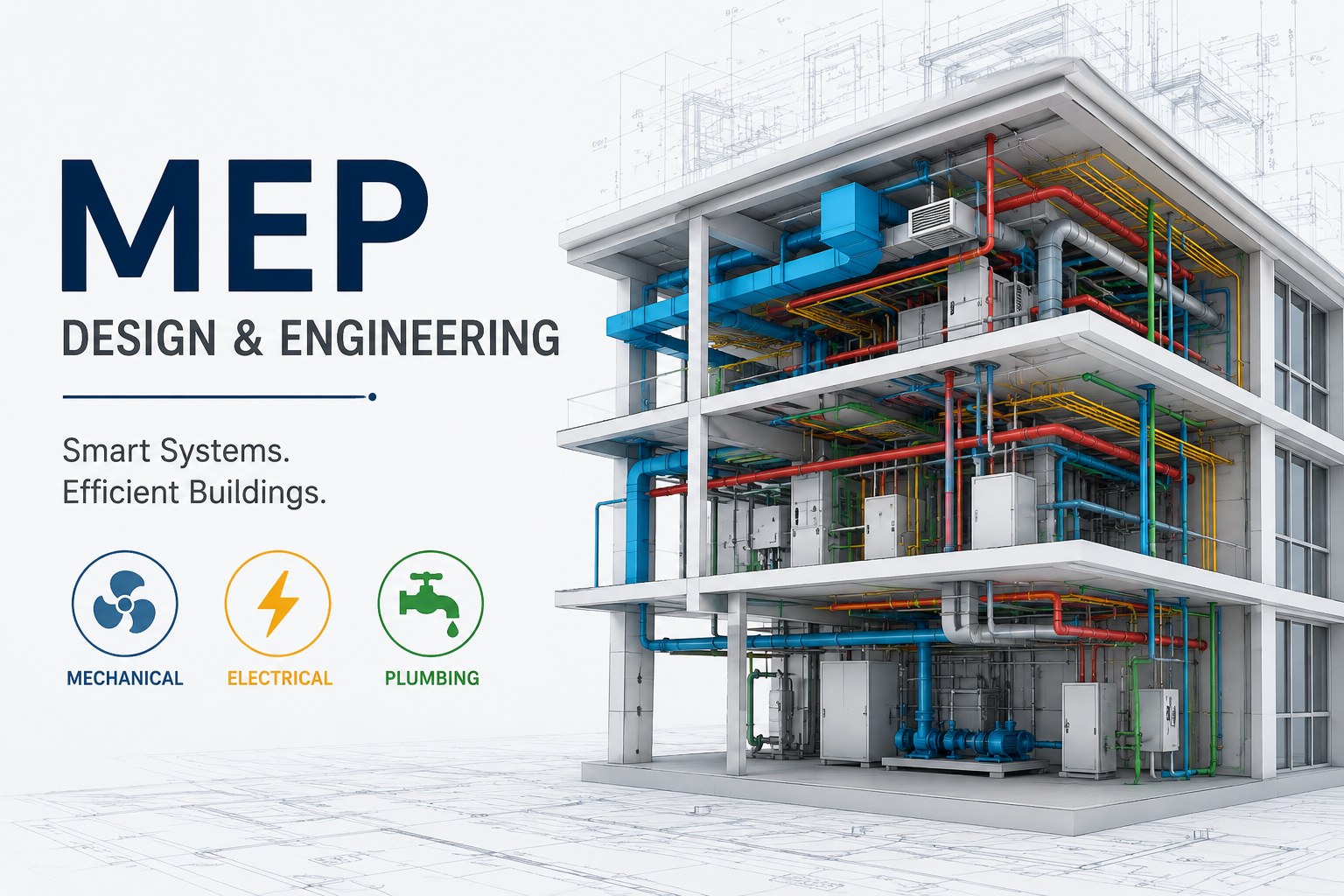
MEP plays a critical role in modern building design and construction. The term MEP refers to Mechanical, Electrical, and Plumbing systems that support the functionality, safety, efficiency, and comfort of residential, commercial, industrial, and institutional buildings.
Today, architects, engineers, contractors, and facility managers rely on integrated building services to ensure buildings operate efficiently throughout their lifecycle. These systems provide heating, cooling, ventilation, power distribution, water supply, drainage, fire protection, and communication infrastructure required for modern facilities.
As construction projects become more complex, the importance of proper planning, coordination, and technical documentation continues to grow. Well-designed engineering systems improve energy efficiency, reduce operating costs, enhance occupant comfort, and support long-term sustainability goals.
Understanding building services engineering is essential for engineers, designers, contractors, and project stakeholders involved in building development and construction management. A successful construction project depends heavily on effective coordination between mechanical, electrical, and plumbing disciplines throughout every project phase.
What is MEP?
MEP stands for Mechanical, Electrical, and Plumbing engineering.
These disciplines work together to create safe and functional building environments. Modern engineering practices ensure that buildings operate efficiently while meeting safety regulations, performance standards, and sustainability objectives.
Plumbing Systems
Plumbing systems include water supply networks, drainage systems, sanitary infrastructure, stormwater management systems, pumps, and water storage facilities.
Together, these systems form the foundation of modern building services engineering and support the daily operation of residential, commercial, and industrial facilities.
Importance of MEP in Construction
Building Functionality
Proper system design ensures buildings operate efficiently and safely while supporting all essential building services.
Energy Efficiency
Modern building systems help reduce energy consumption, lower utility costs, and improve overall environmental performance.
Occupant Comfort
Heating, cooling, ventilation, lighting, and water services significantly improve comfort, health, and productivity.
Safety Compliance
Building services must comply with local regulations, engineering standards, and safety requirements.
Long-Term Performance
Quality planning improves reliability, minimises downtime, and reduces maintenance requirements throughout a building's lifecycle.
Components of MEP Systems
Heating, ventilation, and air conditioning systems regulate indoor environmental conditions. Electrical infrastructure distributes power throughout a building, while plumbing networks support water distribution and drainage operations.
Fire protection infrastructure protects occupants and property, while communication systems provide connectivity and data management. Building automation technologies improve operational efficiency and system performance.
All these components work together to create an efficient building environment that supports functionality, safety, and long-term operational performance.
MEP Design Process
Project Planning
The design process begins with project requirements, engineering analysis, and system performance evaluations.
System Design
Engineers develop layouts, specifications, and coordinated solutions for building services.
Design Coordination
Coordination ensures all engineering systems work together efficiently without physical or operational conflicts.
Documentation
Technical drawings, schedules, and specifications support project execution and construction activities.
Construction Support
Engineering teams assist with installation, testing, commissioning, and quality control.
Facility Operations
Accurate documentation supports long-term maintenance, operation, and facility management activities.
Proper engineering documentation reduces construction errors, improves communication, and enhances overall project outcomes.
Benefits of MEP Design
Improved Coordination
Integrated building services design improves collaboration between architects, engineers, contractors, and project managers.
Reduced Construction Conflicts
Proper planning minimises clashes between mechanical, electrical, structural, and architectural systems.
Better Resource Management
Efficient engineering systems reduce waste, improve performance, and optimise resource utilisation.
Enhanced Sustainability
Modern design solutions support environmental goals, energy conservation, and sustainable construction practices.
Cost Optimization
Well-designed infrastructure helps reduce lifecycle costs while improving operational efficiency and reliability.
MEP Drawings and Documentation
Technical documentation is essential for successful construction projects.
Mechanical plans show HVAC layouts, ductwork, and equipment placement. Electrical plans illustrate power distribution, lighting layouts, and control systems. Plumbing documentation identifies water supply and drainage networks.
Coordination drawings improve project integration and help identify conflicts before construction begins. Detailed documentation supports installation, inspection, testing, and maintenance activities.
Accurate engineering drawings help contractors execute projects efficiently while minimising delays and costly modifications.
Software Used in MEP Engineering
Modern engineering professionals use advanced software for design, modelling, and coordination.
Popular software includes AutoCAD MEP, Revit MEP, Navisworks, BIM 360, Civil 3D, and SolidWorks.
Digital workflows improve design quality, increase accuracy, enhance collaboration, and support efficient project delivery.
MEP Coordination in BIM Projects
Building Information Modelling has transformed the way building services are designed and managed.
Integrated BIM models improve communication between project teams, support clash detection, and enhance data management. Coordinated workflows reduce errors, improve construction outcomes, and streamline project delivery.
The combination of BIM technology and engineering coordination significantly improves project quality while reducing construction risks.
Challenges in MEP Projects
Building services must fit within limited construction spaces while maintaining performance requirements. Multiple disciplines require effective communication and coordination throughout the project lifecycle.
Projects must balance performance, cost, sustainability, and regulatory compliance. Modern facilities also require increasingly sophisticated technologies and integrated building systems.
Future of MEP Engineering
The future of MEP engineering focuses on sustainability, smart buildings, automation, and digital transformation.
Intelligent building systems improve energy management and operational efficiency. Renewable energy technologies, artificial intelligence, IoT devices, and advanced automation continue to transform modern construction and facility management.
Why MEP Matters
MEP systems are essential for creating safe, efficient, and functional buildings. From power distribution and climate control to water management and fire protection, these systems support every aspect of modern building operation.
Organisations that invest in quality planning, coordination, and engineering design benefit from improved project performance, reduced operating costs, enhanced sustainability, and better long-term building value.
Key takeaways from this article
MEP engineering remains one of the most important aspects of modern construction and building design. Proper planning, coordination, documentation, and implementation help create buildings that are efficient, reliable, and sustainable. Whether used in residential, commercial, industrial, or institutional projects, MEP systems continue to play a critical role in successful building development.
Frequently Asked Questions
What does MEP stand for?
MEP stands for Mechanical, Electrical, and Plumbing engineering systems used in building design and construction.
Why is MEP important in construction?
MEP systems provide essential services, including HVAC, power distribution, water supply, and fire protection for buildings.
What software is used for MEP design?
Popular software includes AutoCAD MEP, Revit MEP, Navisworks, BIM 360, and Civil 3D.
How does BIM help MEP projects?
BIM improves coordination, clash detection, documentation, and project collaboration among design teams.
What are the main components of MEP systems?
The main components include HVAC systems, electrical infrastructure, plumbing networks, fire protection, and building automation systems.
MEP engineering, building services design, HVAC systems, BIM coordination, construction documentation
Get expert CAD insights weekly
Join thousands of architects and designers receiving curated tutorials, files, and industry tips.
Browse all articlesMore expert insights
Continue your learning journey with related articles
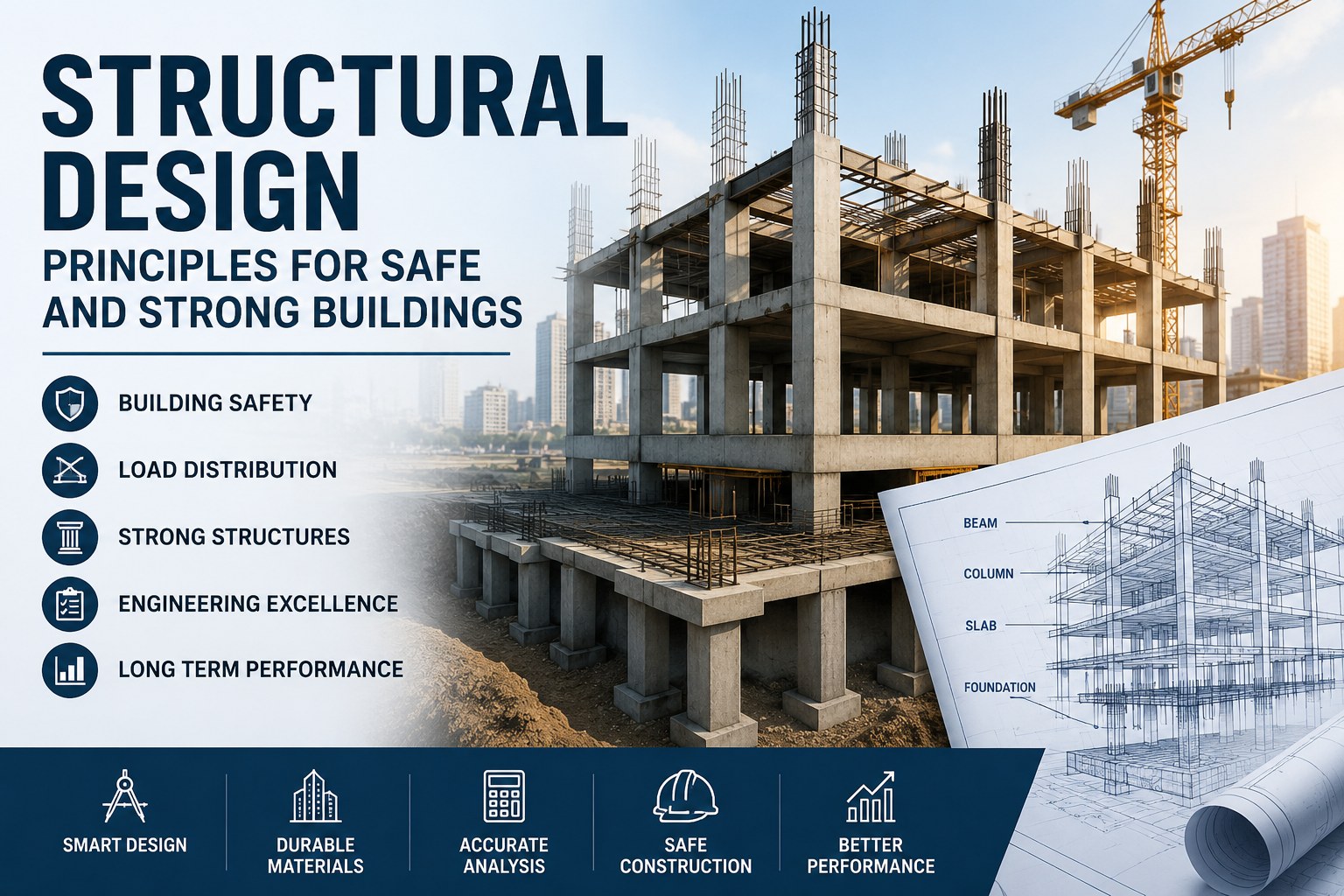
Structural Design Principles for Safe and Strong Buildings
Learn how structural design supports building safety, stability, load distribution, and long-term performance in modern construction projects.
Read more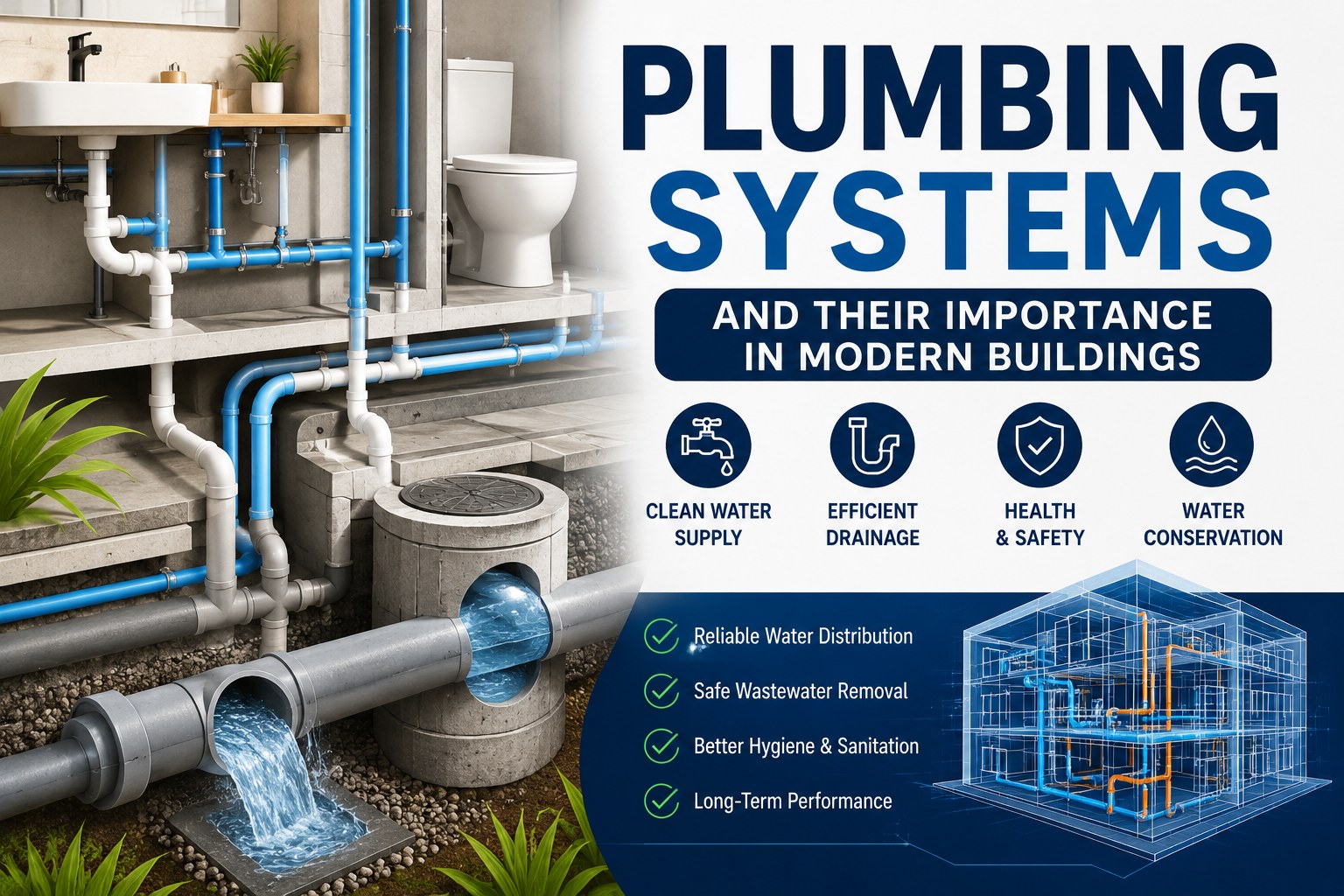
Plumbing Systems and Their Importance in Modern Buildings
Learn how plumbing systems support water supply, drainage, sanitation, and building functionality in residential and commercial properties.
Read more
Landscape Design Ideas for Better Outdoor Spaces
Discover simple landscape design ideas that improve outdoor spaces, increase property appeal, and create a comfortable environment for daily use.
Read more