
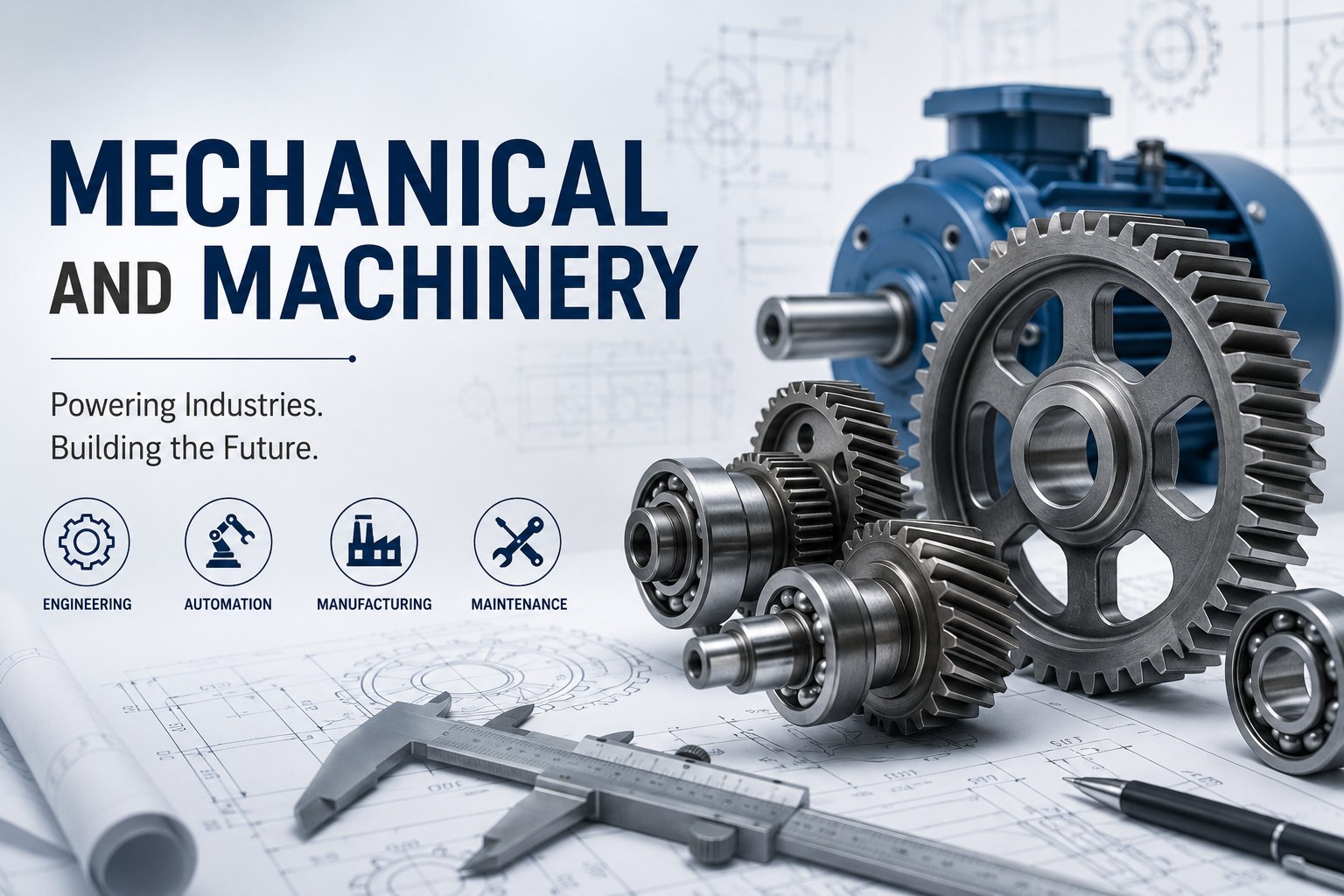
Mechanical and Machinery Guide for Engineers
Learn about mechanical and machinery systems, industrial equipment, engineering processes, machine design, and manufacturing applications.
Key Takeaways
What you'll learn from this article
- 1Introduction
- 2What Are Mechanical and Machinery Systems?
- 3Importance of Mechanical and Machinery Systems
- 4Types of Mechanical and Machinery Equipment
- 5Components of Mechanical Systems
- 6Mechanical Engineering Applications
- 7Benefits of Modern Machinery
- 8Mechanical Design and Documentation
- 9Software Used in Mechanical Engineering
- 10Maintenance of Machinery
- 11Industrial Automation and Smart Machinery
- 12Challenges in Mechanical Engineering
- 13Future of Mechanical and Machinery Systems
Introduction
Mechanical and machinery systems play a vital role in modern engineering, manufacturing, construction, and industrial operations. From production equipment and automation systems to heavy industrial machines and mechanical components, these technologies support efficient operations across multiple industries.
Today, engineers, manufacturers, technicians, and industrial professionals rely on mechanical and machinery solutions to improve productivity, reduce operational costs, and enhance equipment performance. Modern industries use advanced machinery for manufacturing, material handling, processing, assembly, packaging, and maintenance activities.
As technology continues to evolve, mechanical and machinery systems are becoming smarter, more efficient, and increasingly integrated with digital engineering solutions. Understanding how these systems function is essential for professionals involved in design, production, maintenance, and industrial management.
What Are Mechanical and Machinery Systems?
Mechanical and machinery systems refer to equipment, components, and mechanisms designed to perform specific industrial, manufacturing, and engineering functions.
These systems typically include:
Motors
Pumps
Compressors
Conveyors
Gear systems
Bearings
Valves
Turbines
Industrial equipment
Automated machines
Mechanical and machinery solutions are used in manufacturing plants, construction sites, power facilities, transportation systems, and industrial operations worldwide.
Importance of Mechanical and Machinery Systems
Improved Productivity
Modern machinery helps industries increase production efficiency and reduce manual labour.
Better Operational Performance
Mechanical equipment improves workflow consistency and production quality.
Cost Efficiency
Automated machinery reduces operational costs and improves resource utilisation.
Increased Reliability
Properly designed systems provide dependable performance and long service life.
Industrial Growth
Mechanical engineering and machinery technologies support economic development and industrial expansion.
Types of Mechanical and Machinery Equipment
Manufacturing Machinery
Manufacturing equipment is used to produce goods and components efficiently.
Examples include:
CNC machines
Milling machines
Lathes
Drilling machines
Cutting equipment
Material Handling Equipment
Material handling systems support transportation and storage operations.
Examples include:
Conveyors
Cranes
Forklifts
Hoists
Elevators
Power Generation Equipment
Power systems depend on various mechanical components.
Examples include:
Turbines
Generators
Boilers
Compressors
Construction Machinery
Construction projects rely on heavy equipment for site operations.
Examples include:
Excavators
Bulldozers
Loaders
Graders
Rollers
Components of Mechanical Systems
Motors
Motors provide power for industrial and commercial equipment.
Bearings
Bearings reduce friction and support rotating components.
Gear Assemblies
Gears transfer motion and power between mechanical systems.
Pumps
Pumps move liquids through industrial and commercial processes.
Valves
Valves control fluid flow and pressure within systems.
Shafts and Couplings
These components transmit rotational power between equipment.
Mechanical Engineering Applications
Mechanical engineering supports a wide range of industries.
Manufacturing Industry
Production facilities depend on machinery for fabrication and assembly operations.
Construction Industry
Heavy equipment is essential for infrastructure and building projects.
Energy Sector
Power plants use advanced mechanical systems for energy generation.
Transportation Industry
Vehicles, trains, aircraft, and ships rely on mechanical engineering principles.
Industrial Automation
Automation systems improve production efficiency and operational control.
Benefits of Modern Machinery
Higher Productivity
Automated equipment increases production output and consistency.
Improved Accuracy
Advanced machinery performs tasks with greater precision.
Reduced Downtime
Modern maintenance strategies improve equipment reliability.
Enhanced Safety
Safety features help protect operators and equipment.
Better Resource Management
Efficient machinery reduces waste and improves energy utilisation.
Mechanical Design and Documentation
Engineering documentation is essential for equipment design and manufacturing.
Mechanical Drawings
Technical drawings communicate design requirements and specifications.
Assembly Drawings
Assembly documentation illustrates component relationships and installation procedures.
Manufacturing Documentation
Detailed drawings support fabrication and production processes.
CAD Design
Computer-aided design software improves drafting accuracy and engineering productivity.
Software Used in Mechanical Engineering
Modern engineering relies on digital design tools.
Popular software includes:
AutoCAD
SolidWorks
CATIA
Fusion 360
Inventor
Creo
ANSYS
Benefits of CAD Software
Accurate design development
Faster modifications
Improved collaboration
Better visualization
Enhanced documentation
Digital engineering tools help improve project quality and efficiency.
Maintenance of Machinery
Regular maintenance improves equipment performance and extends operational life.
Preventive Maintenance
Scheduled inspections reduce equipment failures.
Predictive Maintenance
Data analysis helps identify potential issues before breakdowns occur.
Corrective Maintenance
Repairs restore equipment functionality after failures.
Equipment Monitoring
Monitoring systems track performance and operating conditions.
Industrial Automation and Smart Machinery
Modern industries increasingly adopt automation technologies.
Robotics
Industrial robots improve productivity and manufacturing accuracy.
Smart Sensors
Sensors provide real-time monitoring and performance analysis.
IoT Integration
Connected systems improve operational visibility and control.
Artificial Intelligence
AI technologies support predictive maintenance and process optimisation.
Digital Manufacturing
Smart factories use advanced technologies to improve efficiency and production quality.
Challenges in Mechanical Engineering
Equipment Costs
Industrial machinery often requires significant investment.
Maintenance Requirements
Regular servicing is necessary for reliable operation.
Energy Consumption
Large systems may consume substantial amounts of energy.
Technology Upgrades
Organisations must adapt to changing technologies.
Workforce Training
Operators and technicians require continuous skill development.
Future of Mechanical and Machinery Systems
The future of mechanical engineering and machinery technology will focus on automation, sustainability, energy efficiency, and digital transformation.
Smart manufacturing, artificial intelligence, robotics, and advanced analytics are helping industries improve productivity and operational performance. As industrial requirements continue to evolve, mechanical and machinery systems will remain critical to engineering innovation and economic growth.
Key takeaways from this article
Mechanical and machinery systems are essential components of modern industry, engineering, and manufacturing. These technologies improve productivity, support automation, enhance operational efficiency, and contribute to industrial development. Understanding mechanical equipment, maintenance practices, and emerging technologies helps engineers and organizations achieve long-term success in an increasingly competitive environment.
Frequently Asked Questions
What are mechanical and machinery systems?
Mechanical and machinery systems include industrial equipment, mechanical components, and automated machines used in manufacturing, construction, transportation, and engineering operations.
Why are mechanical and machinery systems important?
These systems improve productivity, increase operational efficiency, reduce manual labor, and support industrial growth across multiple sectors.
What industries use mechanical and machinery equipment?
Mechanical and machinery equipment is widely used in manufacturing, construction, power generation, transportation, automation, and industrial processing industries.
What software is used in mechanical engineering design?
Popular software includes AutoCAD, SolidWorks, CATIA, Inventor, Fusion 360, Creo, and ANSYS for design, simulation, and engineering documentation.
How does machinery maintenance improve performance?
The future focuses on smart manufacturing, automation, artificial intelligence, robotics, predictive maintenance, and energy-efficient industrial systems.
Mechanical engineering, industrial equipment, machinery systems, manufacturing processes, engineering design
Get expert CAD insights weekly
Join thousands of architects and designers receiving curated tutorials, files, and industry tips.
Browse all articlesMore expert insights
Continue your learning journey with related articles
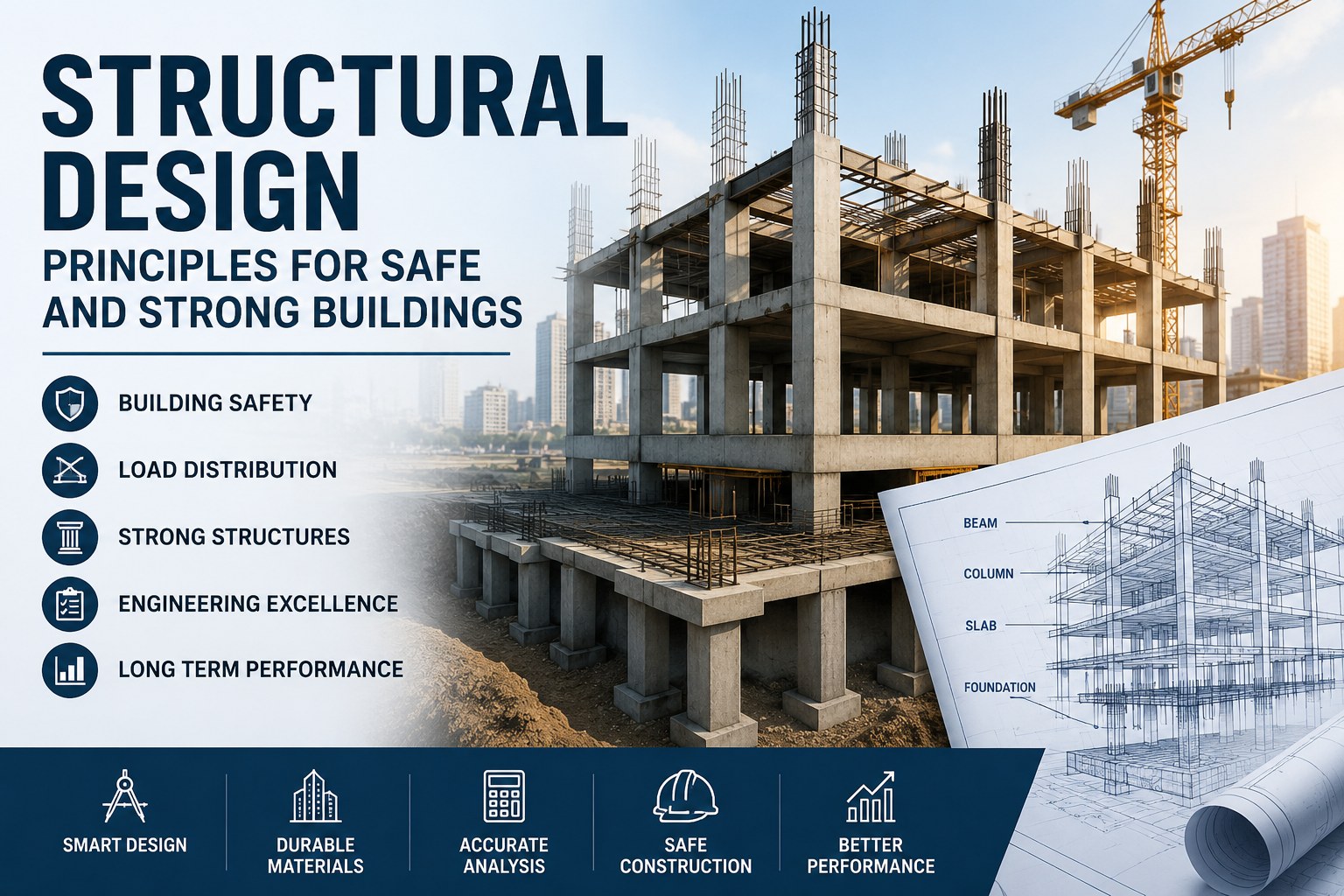
Structural Design Principles for Safe and Strong Buildings
Learn how structural design supports building safety, stability, load distribution, and long-term performance in modern construction projects.
Read more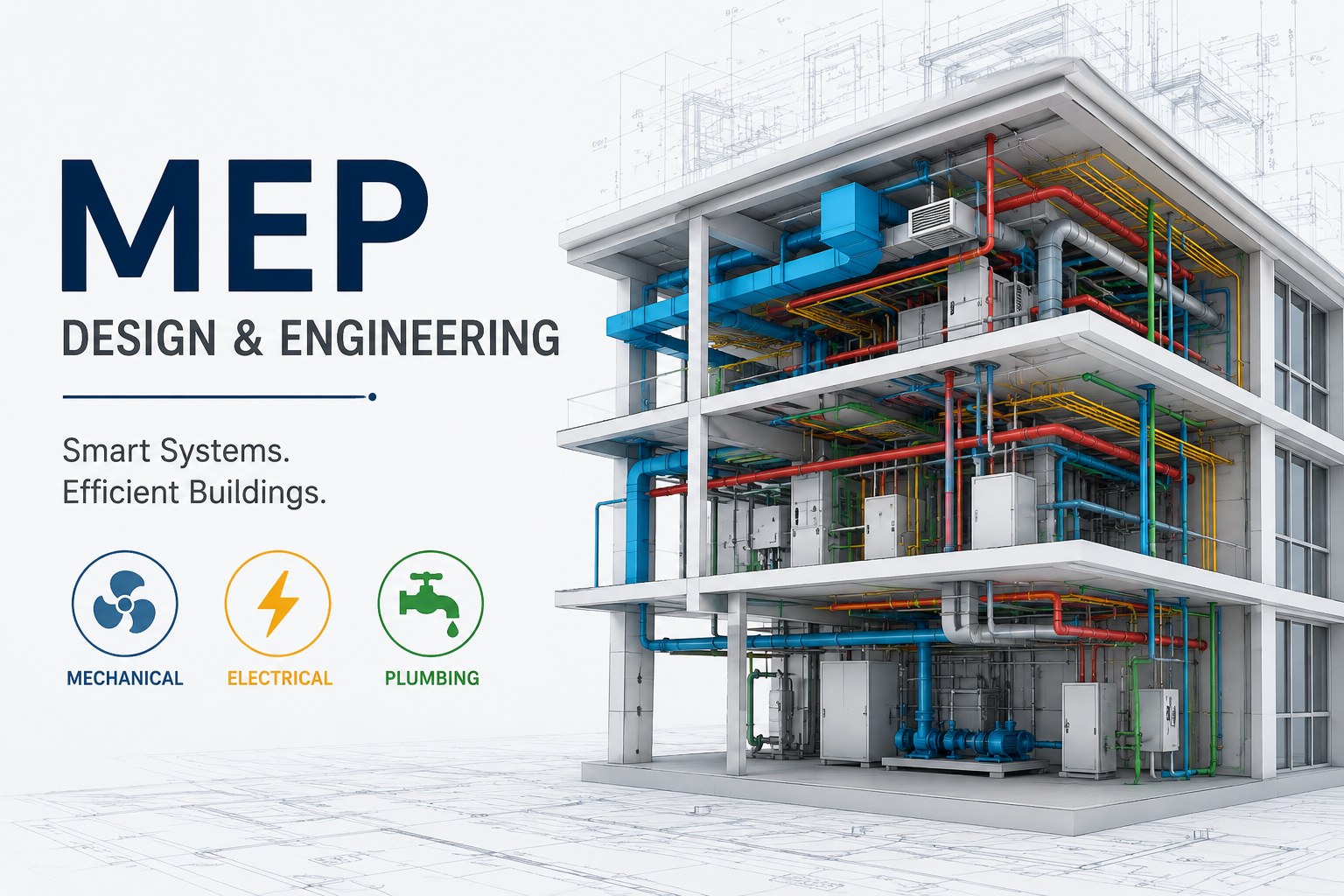
MEP Guide for Building Design and Construction
Learn about MEP systems, building services, HVAC, electrical and plumbing design, coordination, documentation, and construction workflows.
Read more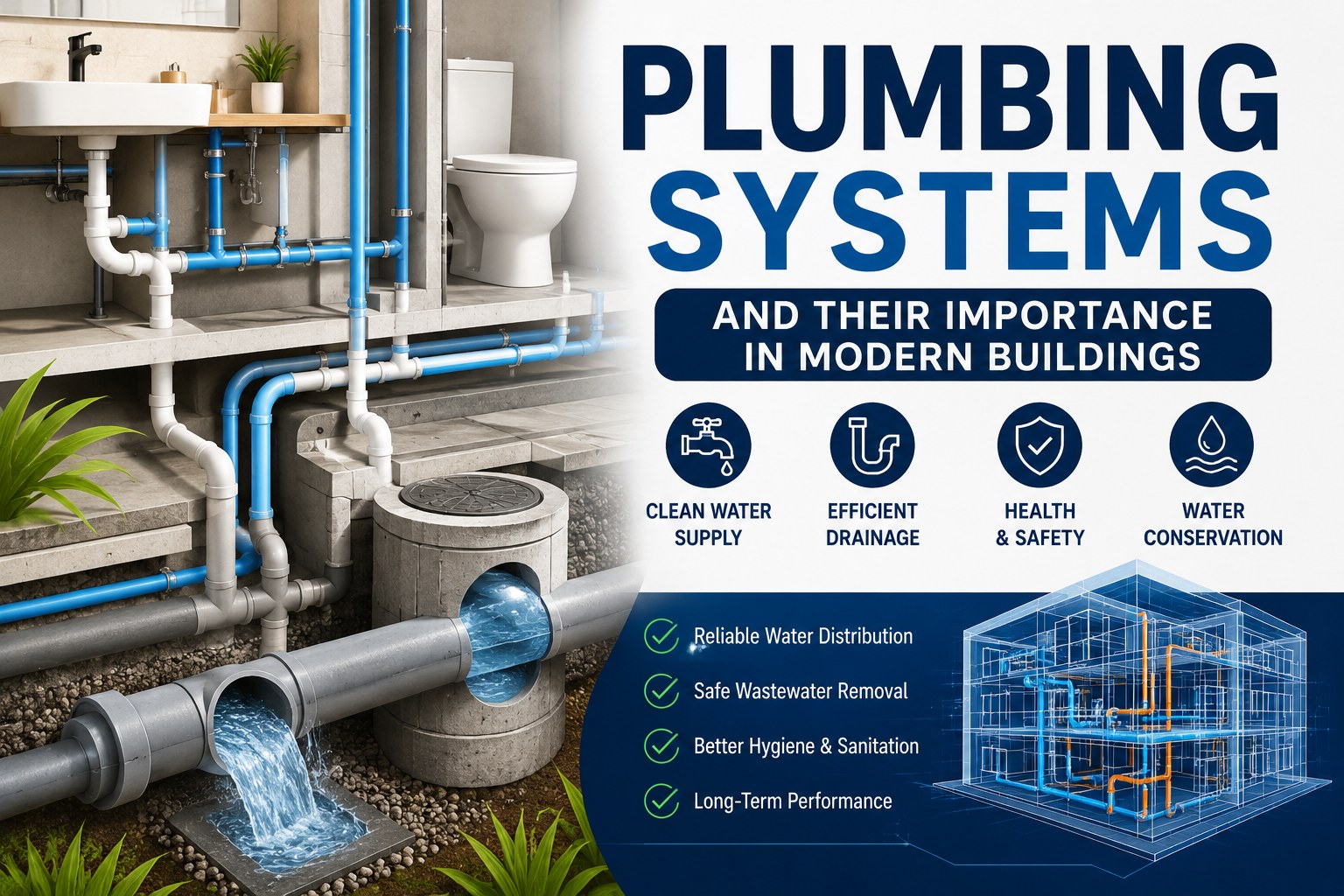
Plumbing Systems and Their Importance in Modern Buildings
Learn how plumbing systems support water supply, drainage, sanitation, and building functionality in residential and commercial properties.
Read more