
Interior Designer Guide for Modern Spaces
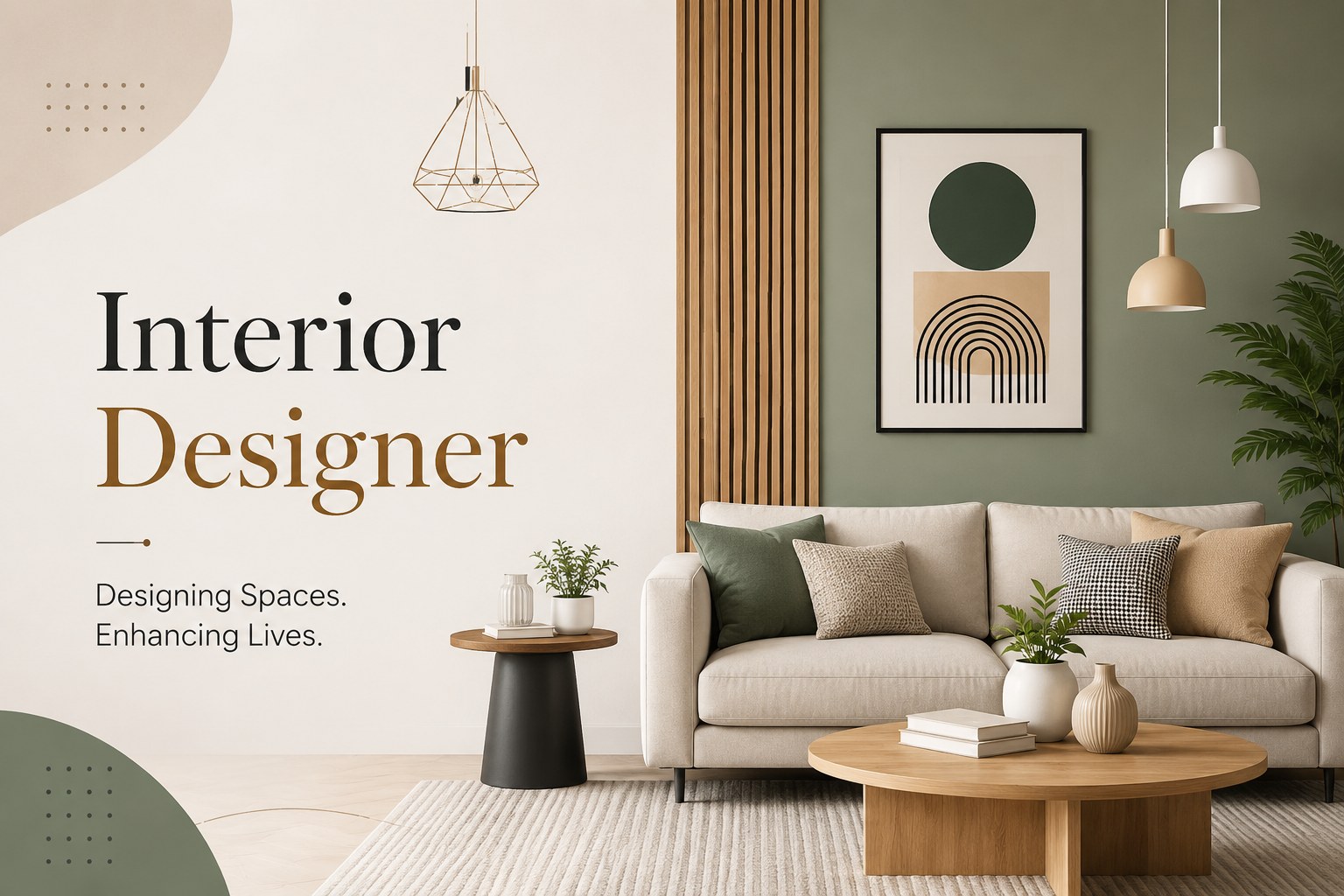
Learn how an interior designer creates functional residential and commercial spaces through planning, furniture layouts, materials, and modern design.
Key Takeaways
What you'll learn from this article
- 1Introduction
- 2What Does an Interior Designer Do?
- 3Importance of an Interior Designer
- 4Types of Interior Design Projects
- 5Essential Skills of an Interior Designer
- 6Interior Design Process
- 7Role of Technology in Interior Design
- 8Interior Design Trends
- 9Materials Used in Interior Design
- 10Challenges Faced by an Interior Designer
- 11Benefits of Hiring an Interior Designer
- 12Future of Interior Design
Introduction
An interior designer plays a crucial role in creating functional, aesthetically pleasing, and comfortable living and working environments. Modern spaces require more than attractive furniture and decorative elements. A professional interior designer combines creativity, technical knowledge, space planning, and material expertise to develop environments that enhance user experience and improve functionality.
Today, an interior designer works closely with architects, builders, contractors, and clients to create spaces that reflect individual preferences while meeting practical requirements. Whether designing a luxury residence, commercial office, retail store, hotel, or hospitality project, professional design solutions contribute significantly to the success of a space.
As design trends continue to evolve, the demand for skilled interior design professionals continues to grow across residential and commercial sectors.
What Does an Interior Designer Do?
An interior designer is responsible for planning, designing, and managing interior spaces to improve aesthetics, functionality, and comfort.
Typical responsibilities include:
Space planning
Furniture layout design
Material selection
Color coordination
Lighting design
Interior detailing
Project coordination
Client consultation
Design documentation
Site supervision
A professional interior designer ensures that every design element contributes to the overall vision of a project.
Importance of an Interior Designer
Improved Space Utilisation
An interior designer helps maximise available space while maintaining comfort and functionality.
Enhanced Aesthetics
Professional design improves the visual appeal of residential and commercial environments.
Better Functionality
Every element is carefully planned to support daily activities and operational requirements.
Increased Property Value
Well-designed interiors often increase property value and market appeal.
Professional Project Management
A qualified interior designer coordinates multiple aspects of a project to ensure smooth execution.
Types of Interior Design Projects
Residential Interior Design
Residential projects focus on creating comfortable and personalized living spaces.
Examples include:
Living rooms
Bedrooms
Kitchens
Dining areas
Bathrooms
Home offices
Commercial Interior Design
Commercial projects require functional and attractive spaces that support business activities.
Examples include:
Offices
Retail stores
Shopping centers
Restaurants
Cafes
Corporate spaces
Hospitality Design
Hospitality projects focus on guest comfort and memorable experiences.
Examples include:
Hotels
Resorts
Lounges
Clubs
Event spaces
Healthcare Design
Healthcare facilities require specialised planning to improve patient care and operational efficiency.
Essential Skills of an Interior Designer
Creativity
Creative thinking helps develop unique and visually appealing design concepts.
Space Planning
Effective space planning ensures proper circulation and functionality.
Communication
An interior designer must communicate effectively with clients, contractors, and project teams.
Technical Knowledge
Understanding construction methods, materials, and building systems is essential.
Problem Solving
Design challenges often require innovative and practical solutions.
Interior Design Process
Client Consultation
The process begins with understanding client goals, preferences, and project requirements.
Concept Development
Design concepts are developed based on project objectives and space requirements.
Space Planning
Layouts are prepared to optimize movement and functionality.
Material Selection
Materials, finishes, furniture, and decorative elements are selected.
Design Documentation
Detailed drawings and specifications are prepared for implementation.
Project Execution
Construction and installation activities are monitored to ensure quality results.
Role of Technology in Interior Design
Modern technology has transformed the way an interior designer develops and presents design concepts.
Popular software includes:
AutoCAD
SketchUp
Revit
3ds Max
Lumion
V-Ray
Benefits of Design Software
Accurate drawings
Realistic visualizations
Faster revisions
Better client presentations
Improved project coordination
Digital tools help professionals create detailed design solutions with greater efficiency.
Interior Design Trends
Sustainable Design
Environmentally friendly materials and energy-efficient solutions are becoming increasingly popular.
Smart Homes
Technology integration enhances convenience, security, and comfort.
Minimalist Design
Simple layouts and clean aesthetics remain a preferred design approach.
Biophilic Design
Natural elements such as plants, natural lighting, and organic materials improve occupant well-being.
Multi-Functional Spaces
Flexible spaces support changing lifestyle and work requirements.
Materials Used in Interior Design
An interior designer selects materials based on aesthetics, durability, maintenance requirements, and project budgets.
Common materials include:
Wood
Stone
Glass
Metal
Ceramic tiles
Marble
Laminates
Fabrics
Wallpapers
Decorative panels
Proper material selection improves both appearance and long-term performance.
Challenges Faced by an Interior Designer
Budget Management
Balancing design quality and project budgets requires careful planning.
Space Constraints
Limited spaces often require creative solutions.
Client Expectations
Managing expectations while maintaining functionality can be challenging.
Project Coordination
Multiple stakeholders must work together throughout the project lifecycle.
Design Changes
Project modifications may impact schedules, budgets, and design decisions.
Benefits of Hiring an Interior Designer
Professional Expertise
An interior designer provides specialised knowledge and creative solutions.
Time Savings
Professional planning reduces delays and improves project efficiency.
Cost Efficiency
Proper planning helps avoid costly mistakes and unnecessary expenses.
Better Design Quality
Experienced professionals create balanced and functional interiors.
Personalized Spaces
Every project is customized according to client preferences and requirements.
Future of Interior Design
The future of interior design will continue to focus on sustainability, technology integration, wellness, and smart living environments.
Artificial intelligence, virtual reality, and advanced visualisation tools are helping designers create more interactive and personalised experiences. As client expectations evolve, the role of the interior designer will become even more important in creating innovative and adaptable spaces.
Key takeaways from this article
An interior designer plays a vital role in transforming spaces into functional, attractive, and efficient environments. Through careful planning, creativity, technical expertise, and project coordination, professional designers help improve both aesthetics and usability. Whether working on residential, commercial, hospitality, or healthcare projects, an interior designer contributes significantly to the success of modern spaces.
Frequently Asked Questions
What does an interior designer do?
An interior designer plans and designs functional and attractive interior spaces.
Why hire an interior designer?
They improve space utilization, aesthetics, and project efficiency.
What software do interior designers use?
Popular tools include AutoCAD, SketchUp, Revit, 3ds Max, and Lumion.
Can an interior designer work on commercial projects?
Yes, interior designers work on residential, commercial, hospitality, and healthcare projects.
How does interior design increase property value?
Professional design improves functionality, appearance, and market appeal.
Interior design, space planning, furniture design, residential design, commercial interiors
Get expert CAD insights weekly
Join thousands of architects and designers receiving curated tutorials, files, and industry tips.
Browse all articlesMore expert insights
Continue your learning journey with related articles
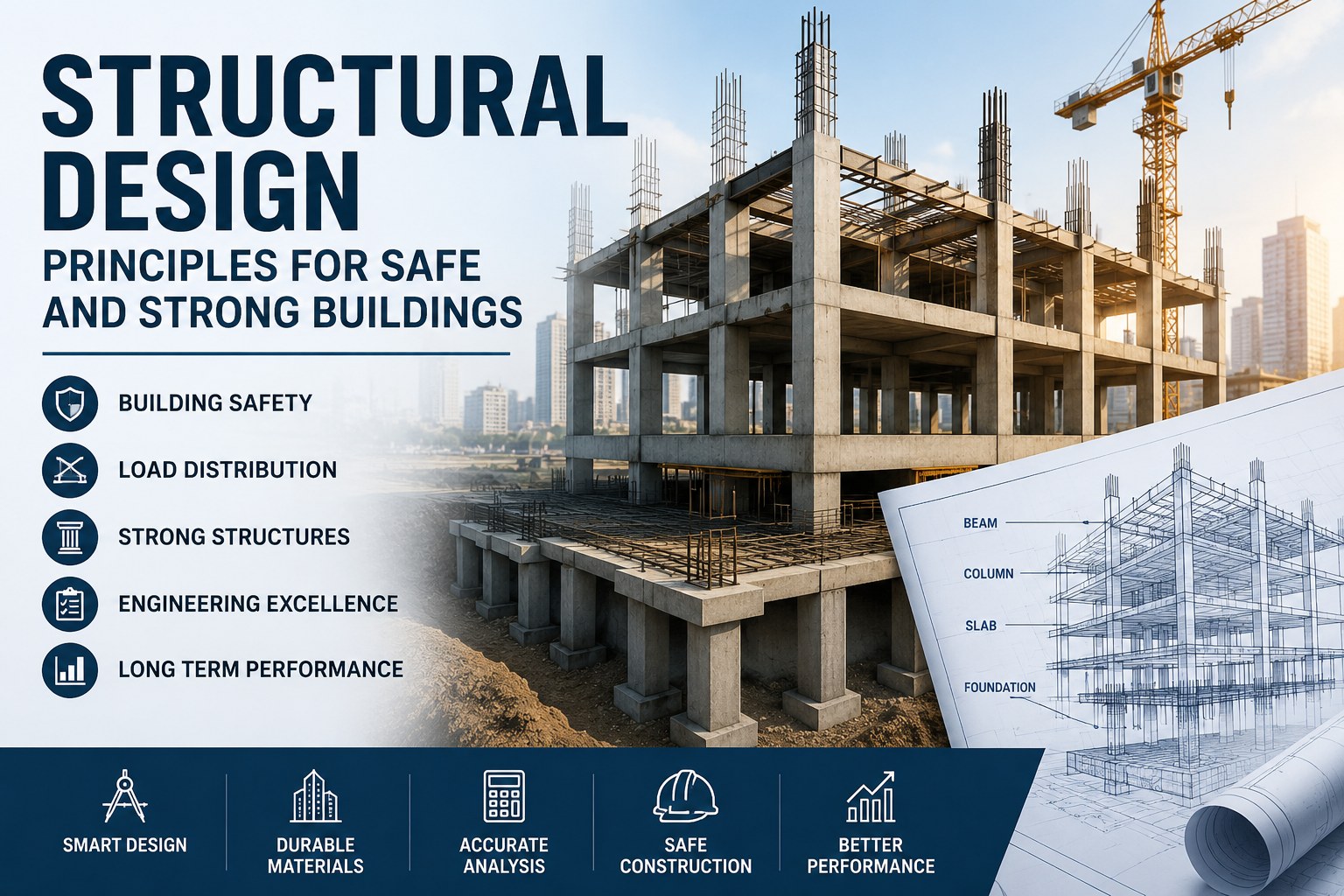
Structural Design Principles for Safe and Strong Buildings
Learn how structural design supports building safety, stability, load distribution, and long-term performance in modern construction projects.
Read more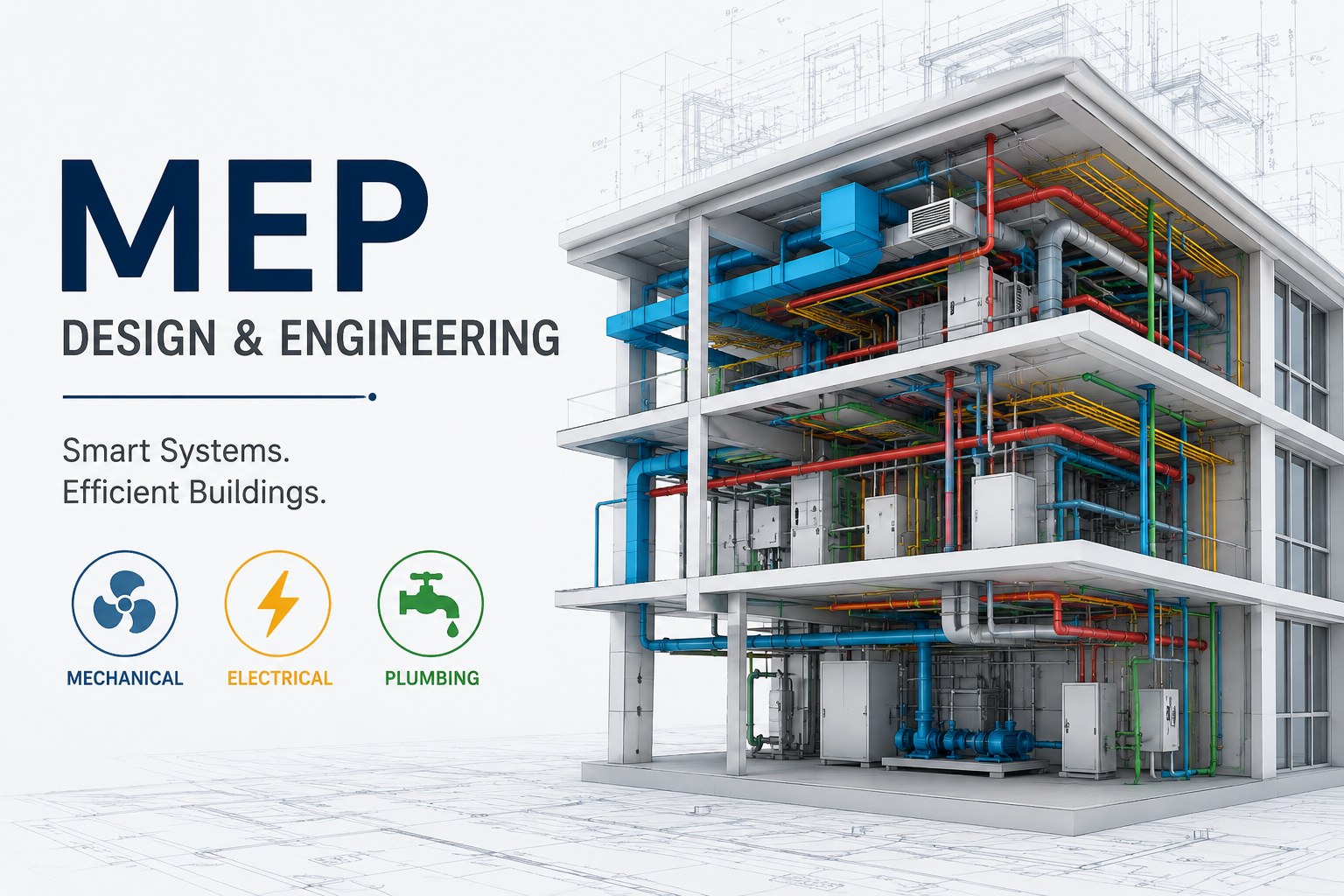
MEP Guide for Building Design and Construction
Learn about MEP systems, building services, HVAC, electrical and plumbing design, coordination, documentation, and construction workflows.
Read more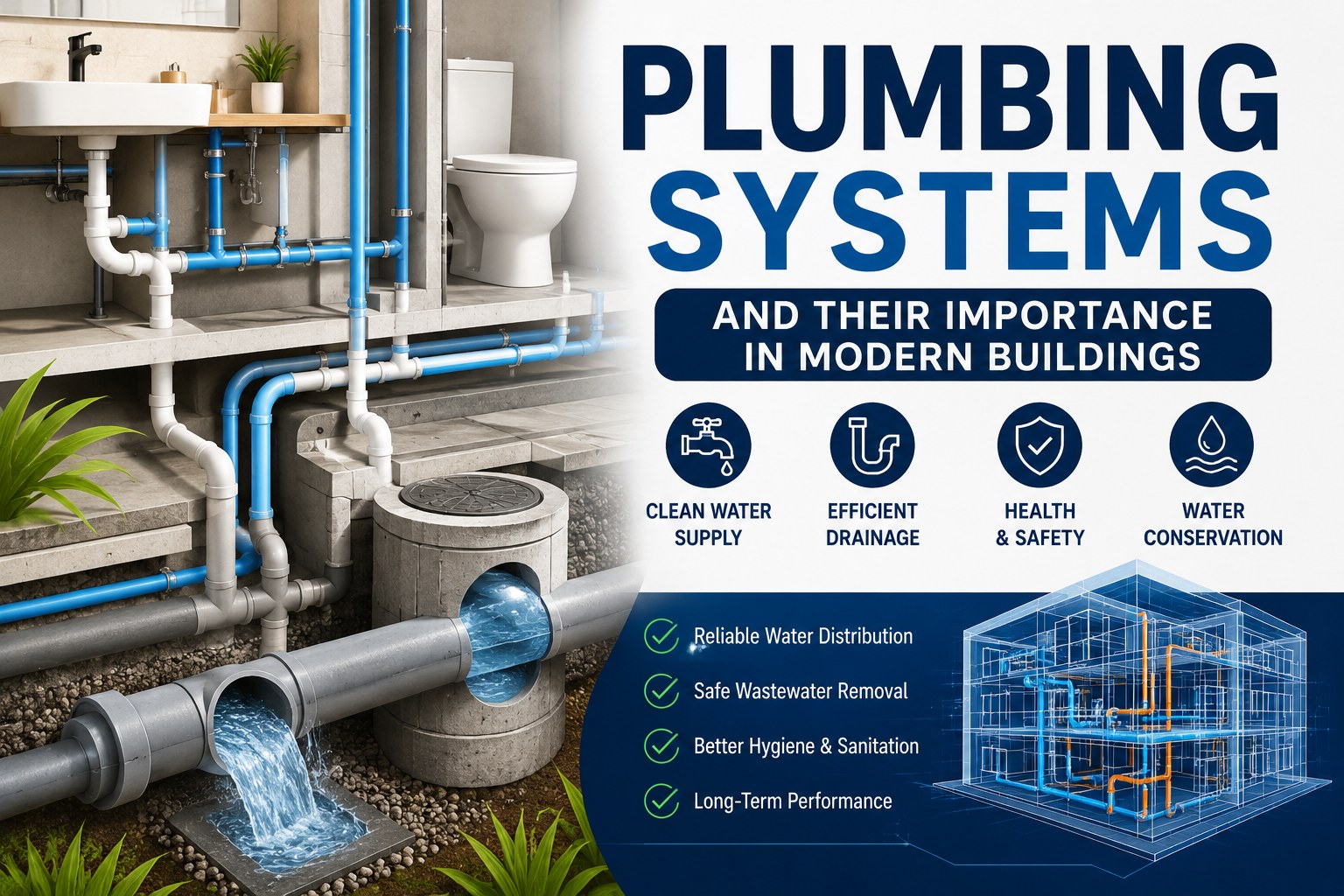
Plumbing Systems and Their Importance in Modern Buildings
Learn how plumbing systems support water supply, drainage, sanitation, and building functionality in residential and commercial properties.
Read more