
Electrical Systems in Building Design
Learn about electrical systems in building design, including electrical drawings, wiring layouts, power distribution, safety standards, CAD documentation, and e
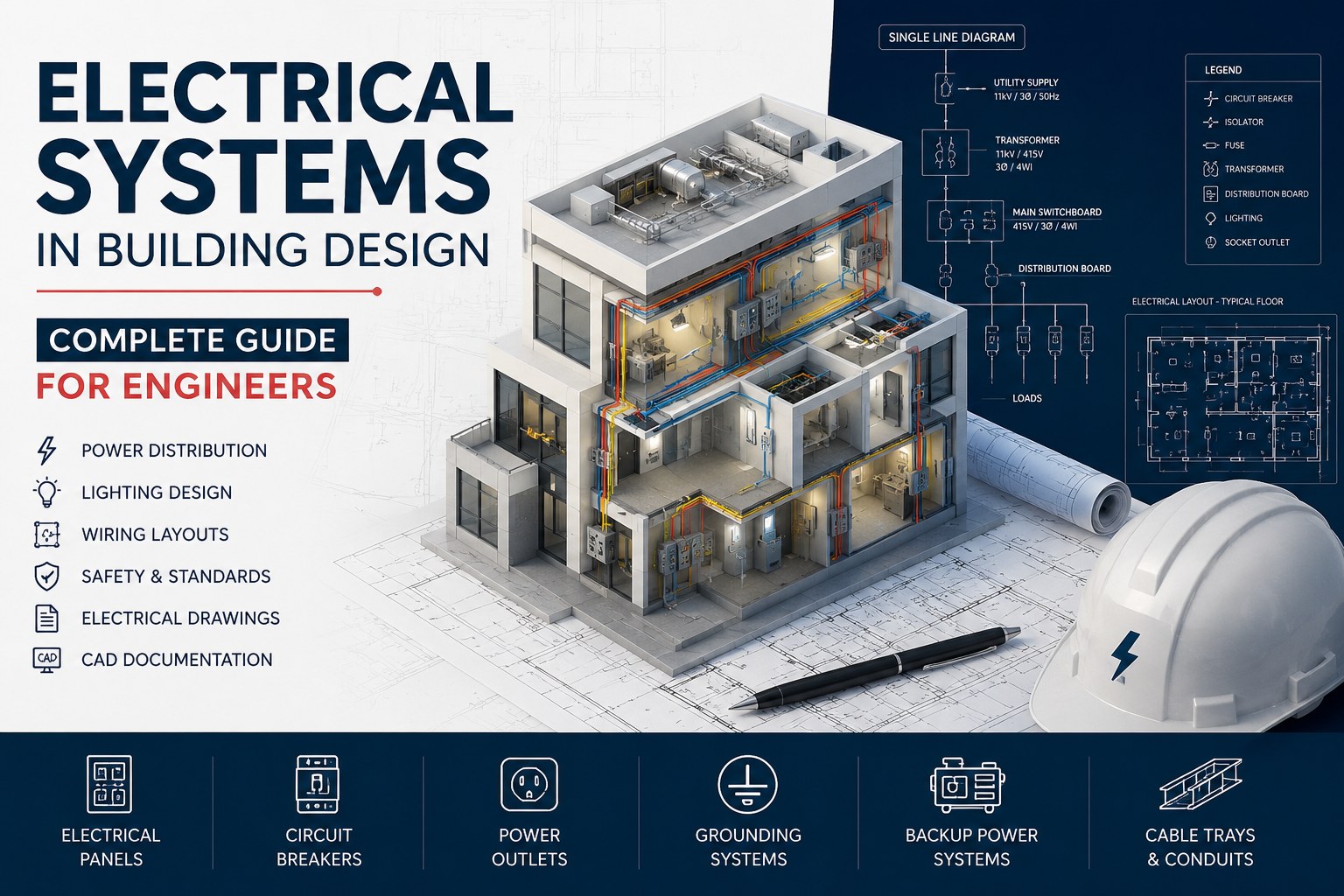
Key Takeaways
What you'll learn from this article
- 1Electrical Systems in Building Design
- 2Introduction
- 3What Are Electrical Systems?
- 4Importance of Electrical Systems
- 5Components of a Building Power Network
- 6Types of Technical Drawings
- 7Role of CAD Software
- 8Building Safety and Power Infrastructure
- 9Residential Applications
- 10Commercial Applications
- 11Future Trends
- 12Best Practices
- 13Documentation and Coordination
- 14Benefits of Professional Drawings
Electrical Systems in Building Design
Introduction
Electrical systems are essential components of modern building design. Every residential, commercial, industrial, and institutional project depends on a properly planned power network to support lighting, communication, safety equipment, automation, and daily operations.
Architects, engineers, contractors, and consultants rely on technical drawings and documentation to ensure efficient installation and long-term performance. A well-designed electrical system improves safety, energy efficiency, operational reliability, and compliance with building regulations.
As buildings become smarter and more technology-driven, the demand for efficient power infrastructure continues to increase. Modern facilities require reliable wiring, distribution equipment, monitoring systems, and advanced controls to support occupant needs.
What Are Electrical Systems?
Electrical systems are networks of components that generate, distribute, control, and utilise power within a building.
Typical components include:
Panels
Distribution boards
Circuit breakers
Power outlets
Lighting fixtures
Wiring networks
Switches and controls
Backup power equipment
Grounding arrangements
Safety devices
These components work together to deliver reliable energy throughout a facility while maintaining occupant comfort and safety.
Importance of Electrical Systems
Safe Power Distribution
A properly designed distribution network safely delivers power from the main source to different building zones.
Improved Building Functionality
Modern buildings depend on reliable infrastructure for lighting, HVAC equipment, communication networks, elevators, and security systems.
Energy Efficiency
Good planning helps reduce energy consumption and improve overall building performance.
Regulatory Compliance
Installations must comply with national codes and safety standards.
Long-Term Reliability
Proper design minimises maintenance requirements and improves operational efficiency.
Components of a Building Power Network
Panels and Distribution Boards
These components serve as the primary control centres for distributing power throughout a structure.
Circuit Breakers
Breakers protect circuits from overloads and short circuits.
Wiring Infrastructure
Cables and conductors connect power sources to fixtures, equipment, and devices.
Lighting Systems
Lighting solutions provide illumination for residential, commercial, and industrial spaces.
Grounding Arrangements
Grounding protects occupants and equipment from faults and unexpected surges.
Backup Systems
Generators and UPS equipment provide emergency support during outages.
Types of Technical Drawings
Layout Drawings
These drawings show the location of outlets, switches, fixtures, and equipment.
Lighting Plans
Lighting plans define fixture placement, illumination levels, and circuit arrangements.
Distribution Drawings
These drawings illustrate feeders, panels, and distribution networks.
Single-Line Diagrams
Single-line diagrams provide simplified representations of power infrastructure.
Cable Routing Plans
Cable routing plans identify wiring paths and conduit layouts throughout the building.
Role of CAD Software
Modern design projects rely heavily on CAD software.
Popular tools include:
AutoCAD Electrical
Revit MEP
ETAP
SolidWorks Electrical
Civil 3D
Benefits
Improved drafting accuracy
Faster modifications
Better coordination
Standardized documentation
Enhanced collaboration
These tools help engineers develop accurate project documentation while reducing risks.
Building Safety and Power Infrastructure
Fire Protection
Proper design reduces fire hazards caused by overloaded circuits and faulty installations.
Ground Fault Protection
Protection systems help prevent electric shock and equipment damage.
Emergency Lighting
Emergency lighting improves safety during power interruptions.
Surge Protection
Surge protection devices protect sensitive equipment from voltage spikes.
Compliance Standards
Installations must comply with safety regulations and engineering standards.
Residential Applications
Residential projects require infrastructure for:
Interior lighting
Exterior lighting
Kitchen appliances
Air conditioning equipment
Security systems
Home automation
Water pumps
Backup power
A properly planned system improves safety and convenience for occupants.
Commercial Applications
Commercial developments require more advanced infrastructure.
Examples include:
Distribution networks
Data communication systems
HVAC support systems
Emergency backup equipment
Building management systems
Fire alarm systems
Security systems
Access control solutions
These systems help facilities operate efficiently and safely.
Future Trends
Smart Buildings
Modern buildings increasingly rely on intelligent controls that automate lighting, climate control, and energy management.
Renewable Energy Integration
Solar technology is becoming increasingly common in residential and commercial developments.
Electric Vehicle Charging
EV charging infrastructure is becoming an essential feature of modern projects.
Energy Monitoring
Advanced monitoring systems help track and optimise energy consumption.
Building Automation
Integrated automation improves efficiency, sustainability, and occupant comfort.
Best Practices
Accurate Load Calculations
Engineers must calculate loads accurately before designing circuits and distribution networks.
Energy-Efficient Solutions
Modern projects should include LED lighting, smart controls, and efficient equipment.
Future Expansion Planning
Systems should allow future upgrades and additional capacity.
Proper Grounding
Grounding remains one of the most important aspects of building safety.
Standards Compliance
Installations should comply with all applicable regulations and engineering requirements.
Documentation and Coordination
Technical documentation plays a critical role in project execution.
Layout Plans
Plans identify outlets, switches, fixtures, and equipment locations.
Panel Schedules
Schedules provide detailed information about circuits, breakers, and loads.
Equipment Installation Drawings
These drawings show installation requirements for transformers, generators, switchboards, and control panels.
MEP Coordination
Power infrastructure must integrate with mechanical, plumbing, and fire protection systems to reduce site conflicts.
Benefits of Professional Drawings
Improved Accuracy
Detailed drawings reduce installation errors and improve project quality.
Faster Construction
Clear documentation helps contractors complete work more efficiently.
Better Maintenance
Accurate records simplify maintenance and troubleshooting.
Increased Safety
Well-prepared drawings help ensure installations meet safety standards.
Cost Control
Proper planning reduces waste, minimises rework, and improves budgeting.
Key takeaways from this article
Electrical systems are essential for modern building design and construction. They provide safe power distribution, support critical building functions, and improve overall building performance. From residential homes to large commercial developments, effective electrical planning ensures safety, efficiency, and long-term reliability. As technology continues to evolve, electrical systems will play an even greater role in smart buildings, renewable energy integration, automation, and sustainable construction practices.
Frequently Asked Questions
What are electrical systems in building design?
Electrical systems are networks that distribute power, support lighting, operate equipment, and ensure the safe functioning of residential, commercial, and industrial buildings.
Why are electrical systems important in construction?
Electrical systems provide power distribution, lighting, communication, security, and safety functions that are essential for building operation and occupant comfort.
What are the main components of electrical systems?
The primary components include electrical panels, circuit breakers, wiring systems, lighting fixtures, switches, grounding systems, outlets, and backup power equipment.
What is an electrical drawing?
An electrical drawing is a technical document that shows wiring layouts, power distribution systems, lighting plans, electrical equipment locations, and installation requirements.
Which software is used for electrical design?
Common software includes AutoCAD Electrical, Revit MEP, ETAP, SolidWorks Electrical, and other CAD-based electrical design tools.
Electrical engineering, building services design, MEP coordination, CAD documentation, construction planning
Get expert CAD insights weekly
Join thousands of architects and designers receiving curated tutorials, files, and industry tips.
Browse all articlesMore expert insights
Continue your learning journey with related articles
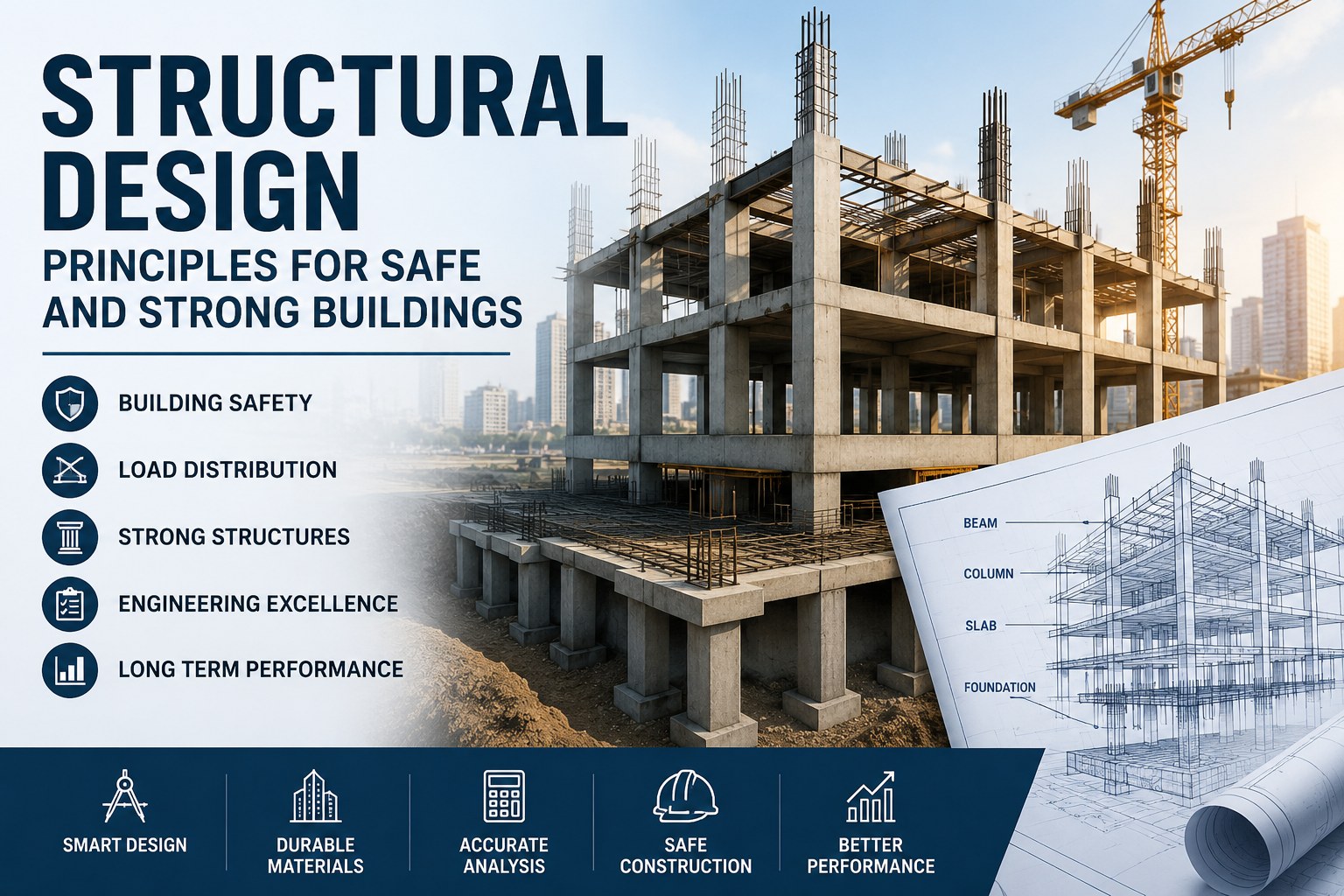
Structural Design Principles for Safe and Strong Buildings
Learn how structural design supports building safety, stability, load distribution, and long-term performance in modern construction projects.
Read more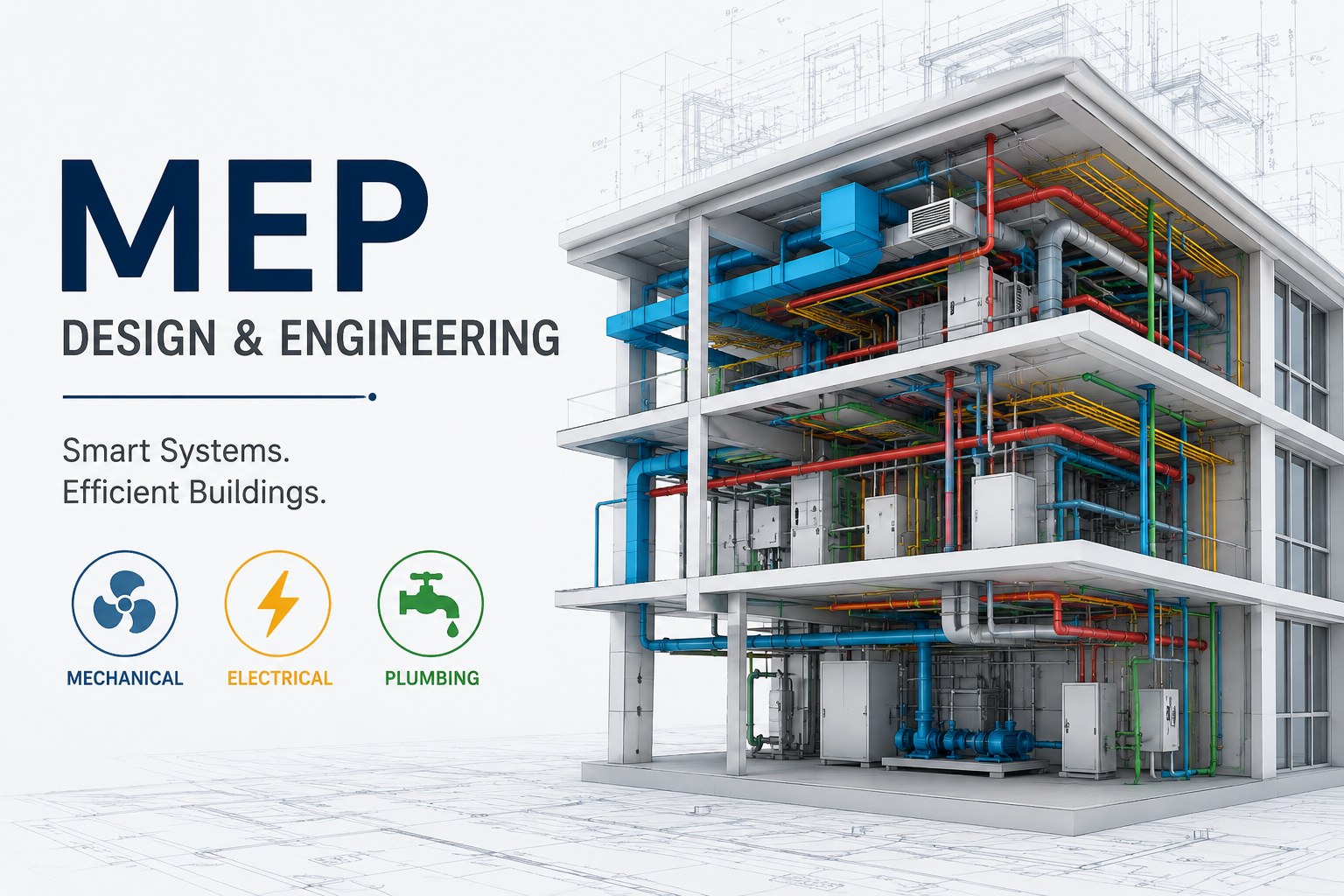
MEP Guide for Building Design and Construction
Learn about MEP systems, building services, HVAC, electrical and plumbing design, coordination, documentation, and construction workflows.
Read more
Plumbing Systems and Their Importance in Modern Buildings
Learn how plumbing systems support water supply, drainage, sanitation, and building functionality in residential and commercial properties.
Read more