
Construction Details for Building Design Guide
Learn the importance of construction details in architecture and engineering. Explore types, applications, benefits, and CAD resources used in modern constructi
Key Takeaways
What you'll learn from this article
- 1Introduction
- 2What Are Construction Details?
- 3Importance of Construction Details
- 4Types of Construction Details
- 5Common Construction Details Used in Building Projects
- 6Role of CAD Drawings in Construction Details
- 7Best Practices for Construction Detailing
- 8Construction Details and BIM
- 9Challenges in Construction Detailing
- 10Benefits of Using Ready-Made Construction Details
- 11Future of Construction Detailing
Introduction
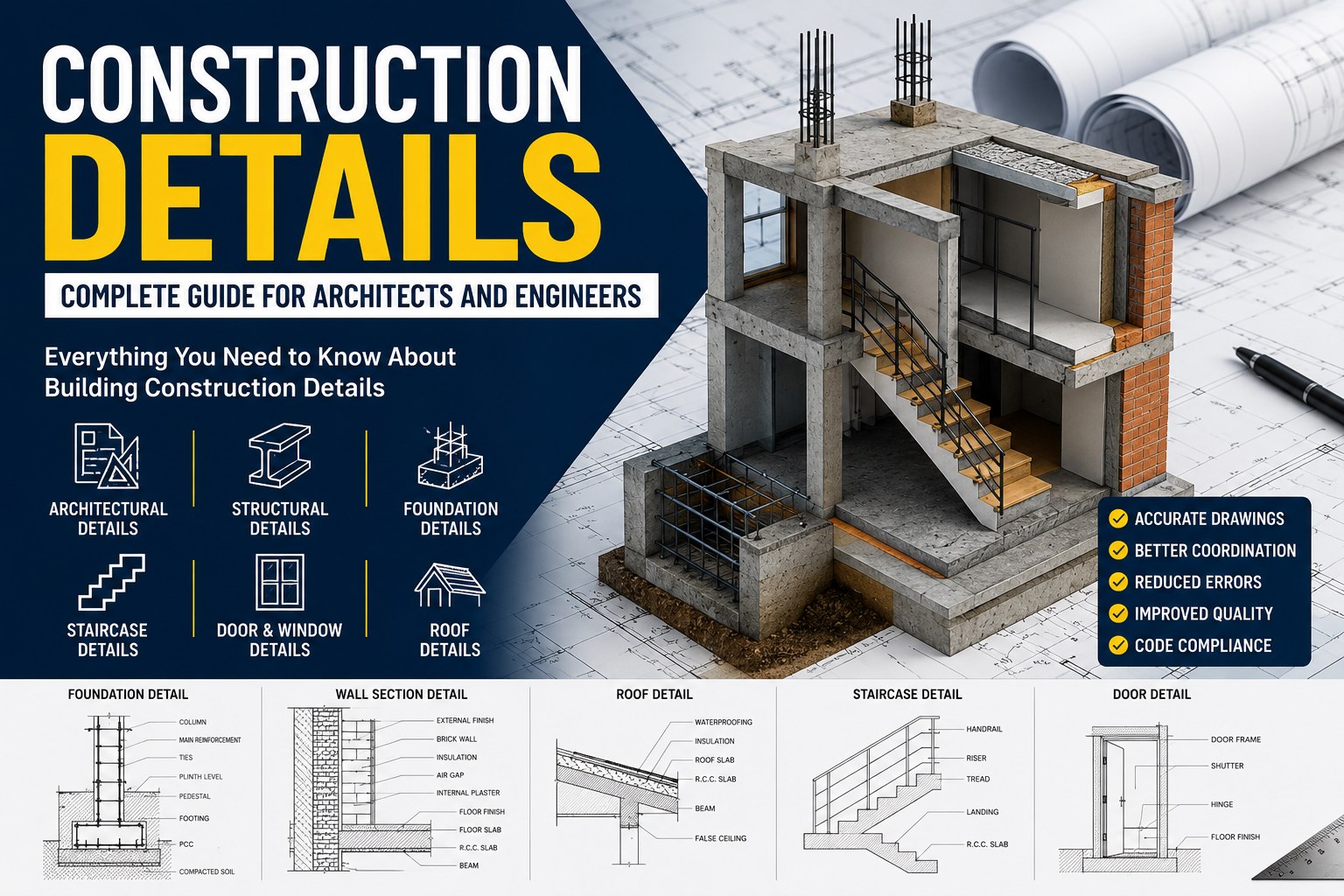
Construction details are essential elements of architectural and engineering documentation. They provide accurate information about how building components are assembled, connected, and constructed during project execution. From foundation systems and wall assemblies to roofing structures and staircase layouts, construction details ensure that every part of a building is built according to design specifications and industry standards.
Architects, civil engineers, contractors, builders, and construction professionals rely on detailed construction drawings to improve communication, reduce construction errors, and maintain quality throughout the building process. Proper construction details help transform conceptual designs into functional, safe, and durable structures.
What Are Construction Details?
Construction details are enlarged technical drawings that illustrate the dimensions, materials, connections, and installation methods of specific building elements. These drawings provide information that cannot be fully represented in general floor plans, elevations, or sections.
Typical construction details include:
Foundation details
Wall section details
Roof construction details
Staircase details
Door and window details
Slab reinforcement details
Structural connection details
Drainage details
Waterproofing details
Railing and balustrade details
These details serve as a guide for construction teams and ensure consistency throughout the project lifecycle.
Importance of Construction Details
Improved Accuracy
Construction details help ensure that every building component is installed correctly according to project requirements. Accurate detailing minimizes misunderstandings and improves construction quality.
Better Coordination
Modern building projects involve architects, engineers, contractors, consultants, and fabricators. Detailed construction drawings allow all stakeholders to work from the same technical information.
Reduced Construction Errors
Proper detailing reduces site conflicts, rework, material waste, and costly project delays.
Enhanced Building Performance
Well-developed construction details improve structural stability, energy efficiency, waterproofing performance, and long-term durability.
Compliance with Standards
Construction details help ensure compliance with building regulations, engineering standards, and safety requirements.
Types of Construction Details
Architectural Details
Architectural details focus on the appearance, functionality, and finishing elements of a building.
Examples include:
Door details
Window details
Interior finish details
Ceiling details
Flooring details
Structural Details
Structural details define load-bearing systems and reinforcement requirements.
Examples include:
Footing details
Beam details
Column details
Slab reinforcement details
Steel connection details
Mechanical Details
Mechanical construction details illustrate HVAC systems, ductwork layouts, and equipment installations.
Electrical Details
Electrical details include conduit routing, cable management systems, switchboards, and equipment installation details.
Plumbing Details
Plumbing details provide information about water supply systems, drainage networks, sanitary systems, and piping installations.
Common Construction Details Used in Building Projects
Foundation Details
Foundation details define footing dimensions, reinforcement arrangements, soil conditions, and structural connections. These drawings are critical for ensuring building stability and load transfer.
Wall Section Details
Wall section drawings illustrate framing systems, insulation layers, finishes, waterproofing membranes, and structural components.
Roof Details
Roof construction details show roofing materials, insulation systems, drainage layouts, flashing details, and supporting structures.
Staircase Details
Staircase details provide dimensions for risers, treads, landings, handrails, and support structures to ensure safety and accessibility.
Door and Window Details
Door and window details specify frame sizes, installation methods, hardware requirements, weatherproofing systems, and material specifications.
Role of CAD Drawings in Construction Details
Modern construction projects rely heavily on CAD software to create precise and professional construction documentation.
Benefits include:
Improved drafting accuracy
Faster design modifications
Better project coordination
Standardized documentation
Easy collaboration and sharing
Popular software used for construction detailing includes:
AutoCAD
Revit
Civil 3D
SketchUp
MicroStation
These tools help professionals create highly detailed drawings while improving efficiency and project accuracy.
Best Practices for Construction Detailing
Maintain Clear Dimensions
Every construction detail should include accurate dimensions that are easy to read and understand.
Use Standard Symbols
Industry-standard symbols improve consistency and reduce confusion among project teams.
Include Material Specifications
Construction details should clearly identify all materials, finishes, and installation requirements.
Show Connection Methods
Fasteners, anchors, welds, joints, and connection systems should be clearly represented in drawings.
Follow Building Codes
Construction details must comply with local regulations, safety standards, and engineering guidelines.
Construction Details and BIM
Building Information Modelling (BIM) has significantly improved the construction detailing process.
Benefits of BIM include:
Improved collaboration
Clash detection
Better project visualization
Enhanced planning
Accurate quantity takeoffs
BIM platforms such as Revit allow construction details to be integrated directly into intelligent building models, improving coordination between all project disciplines.
Challenges in Construction Detailing
Despite their importance, construction details can present several challenges.
Design Coordination
Large projects involve multiple disciplines, making coordination essential for avoiding conflicts between building systems.
Accuracy Management
Even small detailing errors can result in project delays, increased costs, and construction issues.
Revision Control
Construction drawings frequently require updates throughout the design process. Proper revision management ensures all stakeholders work with current information.
Regulatory Compliance
Construction details must satisfy local building codes and safety requirements to ensure project approval and performance.
Benefits of Using Ready-Made Construction Details
Many professionals use pre-developed CAD construction details to improve productivity and maintain consistency.
Benefits include:
Reduced drafting time
Faster project completion
Improved documentation quality
Better compliance with standards
Enhanced coordination
Cost savings during construction
These resources provide reliable references that can be customized according to specific project requirements.
Future of Construction Detailing
The future of construction detailing is becoming increasingly digital and intelligent.
Emerging technologies include:
BIM-Based Detailing
Advanced BIM workflows allow construction information to be integrated directly into building models.
Artificial Intelligence
AI-powered tools can automate repetitive drafting tasks and identify potential design conflicts.
Digital Twins
Digital twins create virtual representations of physical buildings, improving facility management and maintenance planning.
Prefabrication and Modular Construction
Detailed digital documentation supports modern construction methods that improve efficiency and reduce project timelines.
Key takeaways from this article
Construction details form the foundation of successful building projects by providing clear technical guidance for construction teams. Whether working on residential, commercial, or industrial developments, detailed construction drawings improve accuracy, coordination, quality, and project efficiency. Using professional CAD construction details can significantly streamline the design and construction process while ensuring compliance with industry standards.
Frequently Asked Questions
What are construction details in architecture?
Construction details are technical drawings that explain how building components are assembled and constructed.
Why are construction details important?
They improve accuracy, reduce errors, and ensure proper coordination among project stakeholders.
What software is used for construction detailing?
AutoCAD, Revit, Civil 3D, SketchUp, and MicroStation are commonly used.
Where can I download construction detail CAD drawings?
You can download professional construction detail CAD drawings from DWGFiles.
Who uses construction details?
Architects, civil engineers, structural engineers, contractors, builders, and CAD professionals use construction details regularly.
Architectural CAD drafting, construction documentation, structural detailing, building design, and engineering drawing expertise.
Get expert CAD insights weekly
Join thousands of architects and designers receiving curated tutorials, files, and industry tips.
Browse all articlesMore expert insights
Continue your learning journey with related articles
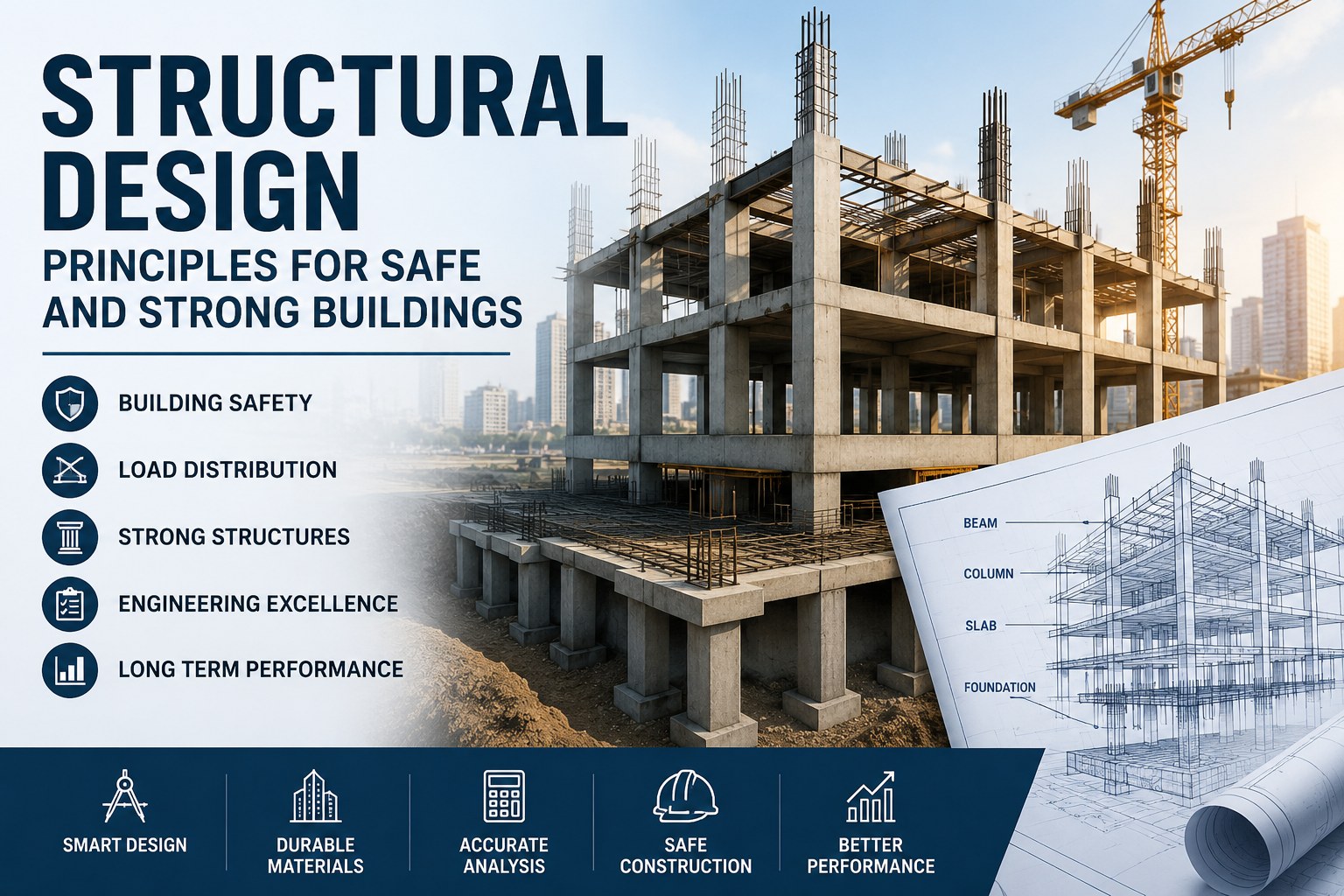
Structural Design Principles for Safe and Strong Buildings
Learn how structural design supports building safety, stability, load distribution, and long-term performance in modern construction projects.
Read more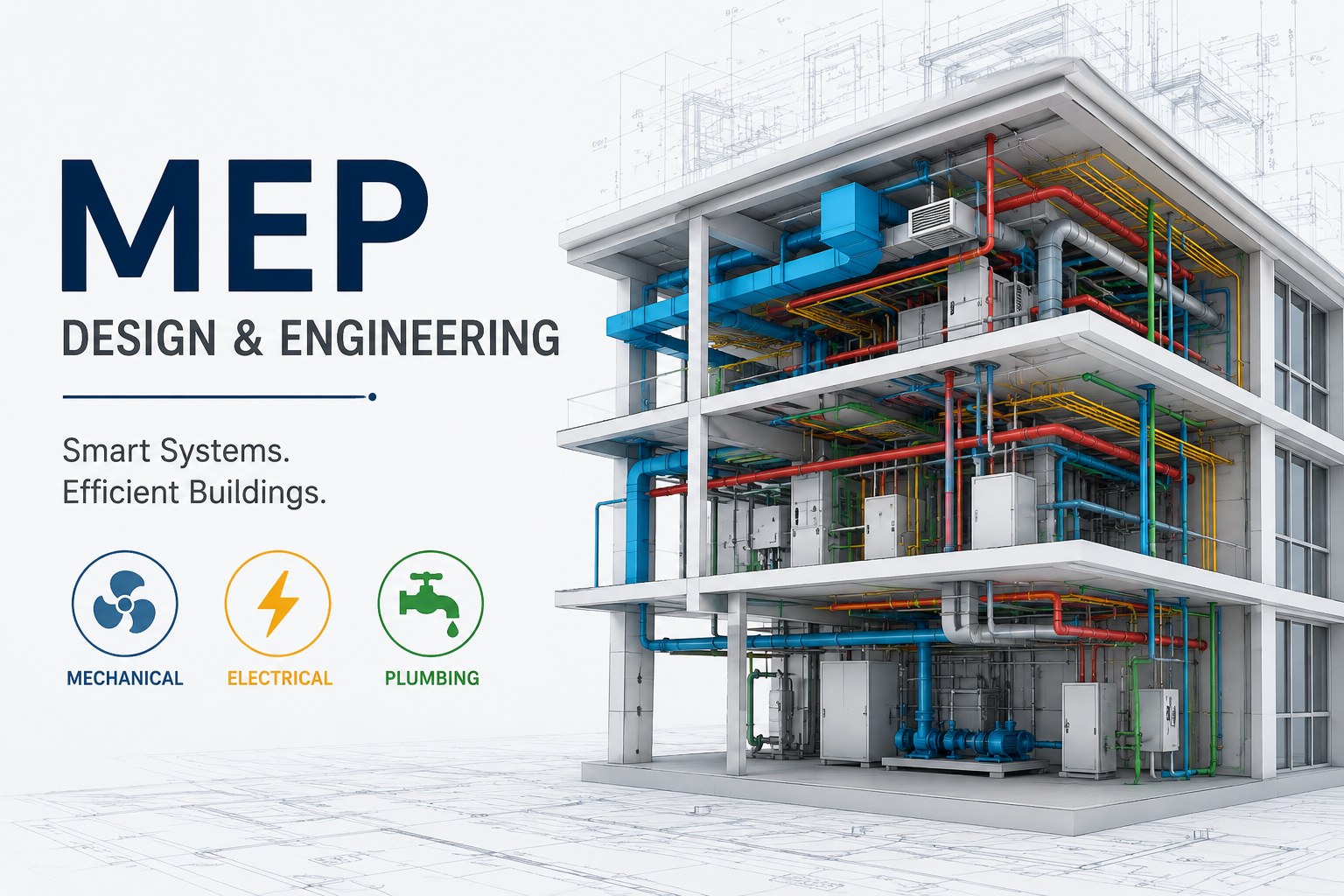
MEP Guide for Building Design and Construction
Learn about MEP systems, building services, HVAC, electrical and plumbing design, coordination, documentation, and construction workflows.
Read more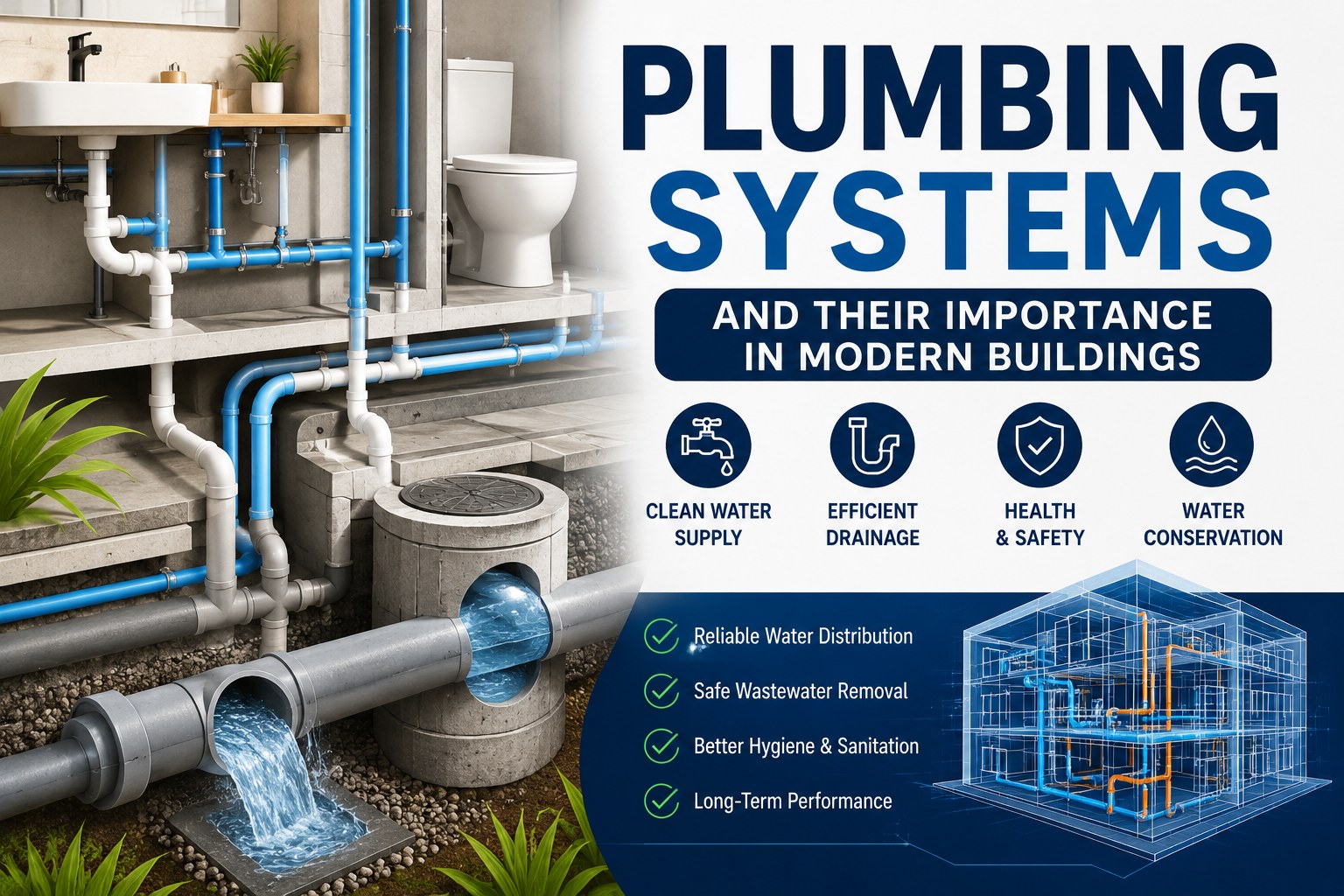
Plumbing Systems and Their Importance in Modern Buildings
Learn how plumbing systems support water supply, drainage, sanitation, and building functionality in residential and commercial properties.
Read more